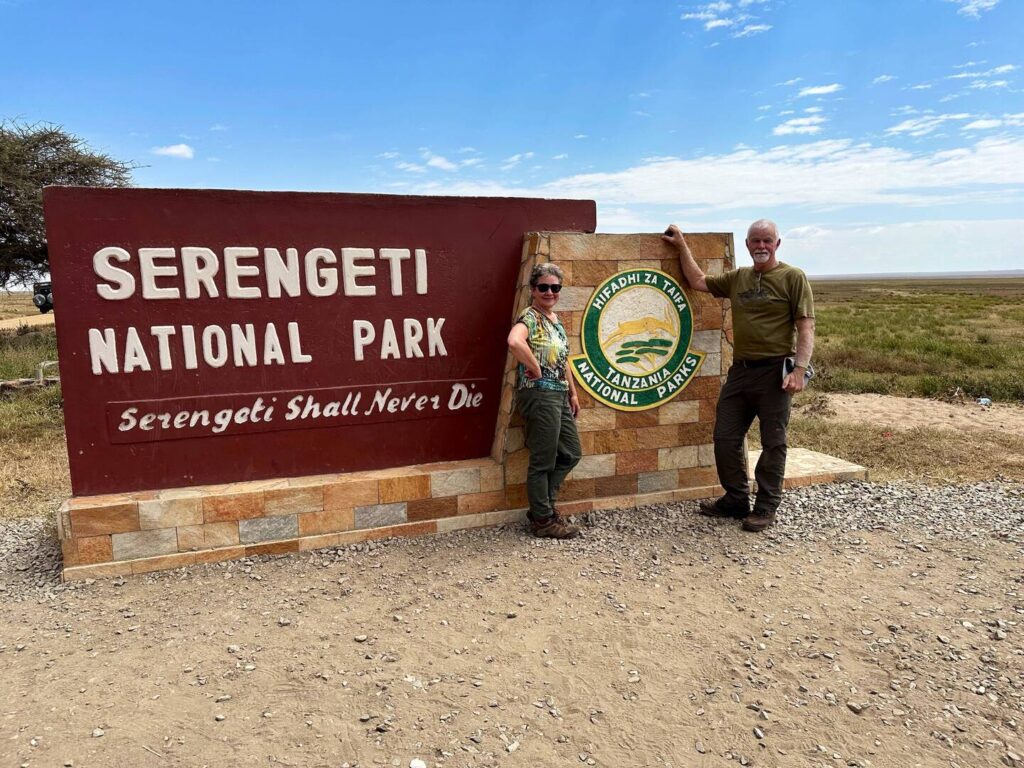
Serengeti National Park is the crown jewel of Tanzania safari destinations, a place where wildlife still moves according to ancient seasonal rhythms and landscapes stretch unbroken to the horizon. Covering nearly 15,000 square kilometers, the Serengeti ecosystem supports one of the highest concentrations of large mammals on Earth and hosts the legendary Great Wildebeest Migration.
A Serengeti safari is not just about seeing animals. It is about witnessing natural behavior at scale: lions hunting on open plains, cheetahs scanning termite mounds, elephants crossing golden grasslands, and millions of wildebeest moving as one living river of life.
For most travelers, Serengeti is combined with Ngorongoro Crater, Tarangire National Park, or part of a longer northern Tanzania safari circuit.
Many parks have wildlife. Serengeti has ecological drama at continental scale.
1. Size That Allows True Wilderness Behavior: Because Serengeti is so vast, animals are not restricted to small territories. Predators roam naturally, migration herds move freely, and sightings feel unscripted. You are not watching a “game reserve.” You are witnessing an intact ecosystem.
2. Predator Density Is Exceptionally High: Serengeti is one of the best places in Africa to see big cats in action. Lion populations here are among the largest on the continent, and cheetahs thrive in the open plains where visibility supports high-speed hunting. Leopards favor riverine forests and kopje rock formations.
Professional guides often plan game drives based on recent predator movement, not just general wildlife zones. That local tracking knowledge is what separates average sightings from extraordinary ones.
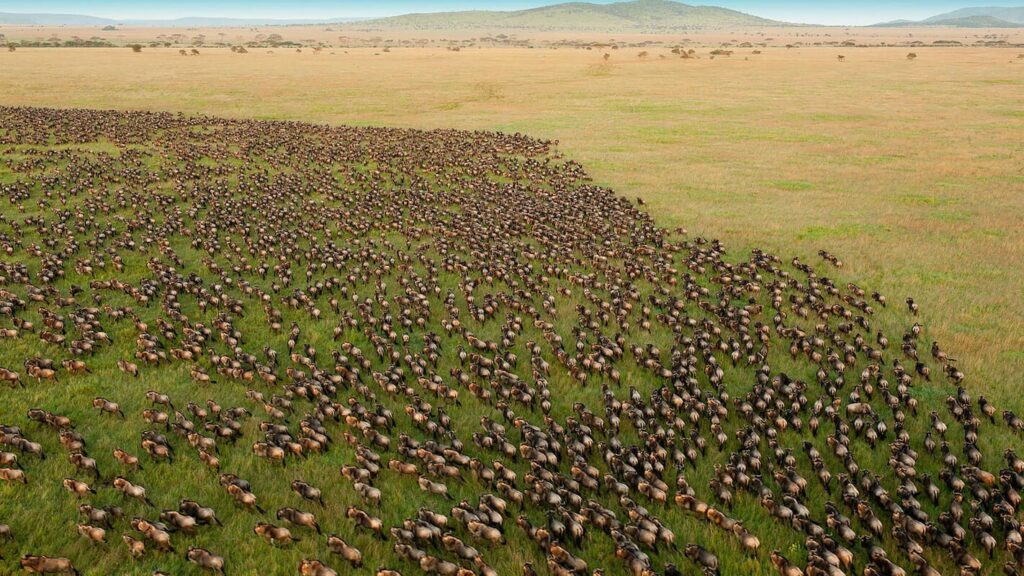
3. The Great Wildebeest Migration Happens Here: Over 1.5 million wildebeest, 200,000 zebras, and thousands of gazelles move through the Serengeti ecosystem each year in a circular pattern driven by rainfall and grass growth. This is the largest land animal migration on Earth and the reason many travelers choose a Great Migration safari.
Understanding Serengeti geography is the key to planning the right safari.
This is the wildlife heart of the park and one of the best year-round game viewing areas in Africa.
Permanent water supports resident animals even in dry months
Excellent for lions, leopards, and hyenas
Ideal base for first-time visitors
Most classic Serengeti safari tours include at least two nights here.
This region becomes crucial from December to March.
Short grass plains attract migration herds for calving
Thousands of wildebeest calves are born within weeks
Predator action is frequent due to vulnerable young animals
This is one of the best periods for wildlife photography and predator behavior.
Active mainly May to July.
Migration herds funnel through woodland and river systems
Grumeti River crossings occur here, though less dramatic than Mara River
Good for mixed scenery: forest, plains, and rivers
Peak from July to October.
Location of famous Mara River crossings
Fewer vehicles compared to central areas
Remote wilderness feel with dramatic river landscapes
Often reached by fly-in Serengeti safaris to avoid long driving distances.
While the migration is famous, Serengeti offers outstanding wildlife even when herds are elsewhere.
Big Cats
Lions: Large prides, often seen resting on kopjes or near kills
Cheetahs: Prefer open plains, active during cooler hours
Leopards: Frequently found along the Seronera River, resting in sausage trees
Elephants
Elephant numbers have grown steadily. Bulls are often seen in woodland areas, while family groups move between feeding grounds and water.
Giraffes, Antelope, and Plains Game
Thomson’s gazelles, topi, hartebeest, eland, and impala provide the prey base that sustains predators year-round.
Birdlife
Over 500 bird species live here, including secretary birds, kori bustards, ostriches, and numerous raptors that follow migration herds.
Wildlife density remains high even outside migration months, which is why Serengeti is featured in many of our best-selling Tanzania safari packages.
👉 Track seasonal herd movement with the Serengeti Migration Tracker
Serengeti National Park is a year-round safari destination, but wildlife movement and viewing conditions change significantly with the seasons. Understanding these seasonal patterns helps travelers choose the right areas of the park and the type of experience they want. From dramatic predator action to quieter scenic months, every period offers something different.
This is one of the most exciting wildlife periods in Serengeti, especially in the southern plains and Ndutu region. Hundreds of thousands of wildebeest give birth within a short window, creating an abundance of vulnerable prey that attracts lions, cheetahs, hyenas, and leopards. The open grasslands also make this one of the best times for dramatic wildlife photography and clear predator sightings.
The long rains transform Serengeti into a lush, green landscape with dramatic skies and fewer safari vehicles. Wildlife is still present in good numbers, especially resident species, and the scenery is at its most beautiful. Some remote roads can become muddy, but this period offers excellent lodge rates and a more exclusive safari feel.
As the plains begin to dry, the Great Migration herds start moving toward the Western Corridor. Massive columns of wildebeest and zebra travel through woodlands and river systems in search of fresh grazing. This is the time when Grumeti River crossings may occur, offering powerful scenes of herd movement and crocodile-filled waters. This period is popular in 6 Days Tanzania Camping Safari itineraries.
This is the classic dry-season safari period and one of the most sought-after times to visit. Wildlife gathers around water sources, making sightings more predictable, and the Great Migration often reaches the northern Serengeti near the Mara River. River crossings during this time are dramatic but unpredictable, requiring patience and experienced guiding. Peak migration drama with river crossings in northern Serengeti. This is high season for Serengeti fly-in safaris
Short rains refresh the landscape and trigger the migration herds to begin moving back toward the southern plains. The park becomes greener, birdlife increases, and newborn animals start appearing again. Visitor numbers are lower than peak season, making it a rewarding time for travelers seeking a balance between wildlife and quieter safari conditions.
For broader seasonal planning across different parks, read our guide on the best time to visit Tanzania.
Serengeti safaris can be tailored to different travel styles, comfort levels, and budgets. The experience you choose influences where you stay, how you move between regions, and how much time you spend in prime wildlife areas. From luxury fly-in trips to immersive camping adventures, there is a Serengeti safari style for every type of traveler.
Luxury safaris focus on premium tented lodges or high-end camps positioned in wildlife-rich areas. Guests enjoy spacious en-suite tents, fine dining, and personalized service while staying close to prime game viewing zones. These Luxury serengeti safaris are often combined with scheduled flights between parks to reduce travel time and maximize comfort. Popular choices include the 7 Days Tanzania Luxury Safari and 10 Days Tanzania Luxury Safari.
Mid-range safaris offer comfortable lodges or tented camps with private bathrooms and good amenities. They are ideal for couples, families, and first-time safari travelers looking for a balance between affordability and comfort. These comfortable Serengeti trips usually follow well-planned routes through Serengeti and neighboring parks to ensure strong wildlife viewing.
Camping safaris provide a more adventurous and immersive experience inside the wilderness. Travelers stay in dome tents at public or special campsites, often with a safari cook and support crew. This style is popular on longer Tanzania camping safari itineraries, offering close-to-nature experiences at a lower cost.
Fly-in safaris are ideal for travelers with limited time or those combining safari with a Zanzibar beach holiday. Light aircraft flights connect Serengeti with Arusha and Zanzibar, avoiding long and dusty road transfers. Serengeti Fly-in safaris allows guests to reach remote areas like northern Serengeti quickly and spend more time on game drives.
To get the most out of your Serengeti safari, timing and strategy are everything. Early morning game drives are the best opportunity to witness predator activity, as lions, leopards, and cheetahs are most active before the heat of the day. Observing these apex predators hunting in the soft morning light also provides incredible photography opportunities.
Always consult your guide about recent wildlife sightings, rather than asking for general locations. Experienced guides track animal movements daily and can adjust your itinerary to maximize encounters with lions, leopards, and cheetahs. This insider knowledge makes a significant difference, especially during the Great Migration or calving season.
For longer stays, consider splitting your nights between two different regions of the Serengeti. For example, staying in the southern Ndutu area during calving season and then moving north toward the Mara River during migration allows you to see multiple ecosystems and animal behaviors. This approach also reduces long daily drives, keeping your safari relaxed and enjoyable.
Patience is critical at river crossings, particularly the Mara and Grumeti Rivers. Herds may spend hours waiting to cross, and crocodile activity adds to the unpredictability. Observing from a safe distance while staying alert with your guide ensures both safety and the chance to capture once-in-a-lifetime wildlife moments.
Finally, layered clothing is essential. Serengeti mornings and early drives can be chilly, often dropping below 10°C, while afternoons may reach 30°C under the savannah sun. Dressing in layers, with sun protection and a good hat, ensures comfort throughout your game drives.
Serengeti is most rewarding when combined with other Tanzania safari destinations to create a complete northern circuit itinerary. Ngorongoro Crater is a natural complement, offering one of Africa’s densest concentrations of wildlife in a compact area. Its crater floor is home to the Big Five and numerous bird species, making it ideal for photographers and first-time safari travelers alike.
Tarangire National Park adds a different perspective, with its large elephant herds, iconic baobab trees, and dry-season concentrations of wildlife. Unlike the Serengeti’s open plains, Tarangire’s wooded landscapes provide a more intimate safari feel, perfect for both camping and lodge-based trips.
Lake Manyara National Park offers yet another unique experience, famed for its tree-climbing lions and vast flocks of flamingos and other birdlife. Including Manyara in your itinerary provides scenic variety and a chance to see species that are less commonly encountered in the Serengeti or Ngorongoro.
Finally, end your safari adventure with a Zanzibar beach extension for relaxation after days in the wilderness. White sands, turquoise waters, and boutique resorts provide a luxurious wind-down from game drives, making your trip a balanced combination of adventure and rest.
The Serengeti is unrivaled for its sheer scale, vast open plains, and the dramatic Great Wildebeest Migration that moves across the ecosystem annually. Ngorongoro Crater, on the other hand, offers an incredibly dense concentration of wildlife in a compact, easily navigable area. Visitors can see the Big Five in a single day while exploring crater walls and the floor, which provides completely different photographic opportunities compared to the expansive Serengeti. For travelers wanting to combine both experiences, our Ngorongoro Crater Safari pairs perfectly with a Serengeti itinerary.
While the Serengeti is famous for its predator sightings; lions, cheetahs, and leopards….Tarangire National Park shines with massive elephant herds, iconic baobab trees, and seasonal wildlife concentrations. Tarangire offers a quieter, less trafficked safari experience, especially during the dry season when animals cluster near water sources. This makes it ideal for photographers, families, and travelers seeking a balance between wildlife and serene landscapes. Discover all our Tarangire safari tours to plan a combined northern circuit adventure.
The Serengeti represents the quintessential African savannah safari, with endless plains, open game drives, and large predator interactions. Nyerere National Park (formerly Selous) provides a more remote and intimate experience, including river-based wildlife encounters, boat safaris, and walking safaris that differ from traditional drives. This southern circuit park is ideal for travelers looking for solitude and off-the-beaten-path wildlife adventures. For a short yet immersive experience, check out our 2-Day Nyerere Fly-In Safari.
Serengeti is a park where timing, region selection, and guide experience matter more than luxury level alone. Choosing the right camp in the wrong month can mean missing the migration by hundreds of kilometers.
Our team plans Serengeti safaris based on seasonal wildlife movement, realistic driving times, and lodge locations that maximize time in prime game areas. Whether your priority is witnessing river crossings, photographing big cats, or enjoying a balanced first-time safari, we design itineraries that match how the ecosystem actually works, not just a map.
Start with our Tanzania safari packages or request a custom itinerary built around your travel dates and wildlife goals.