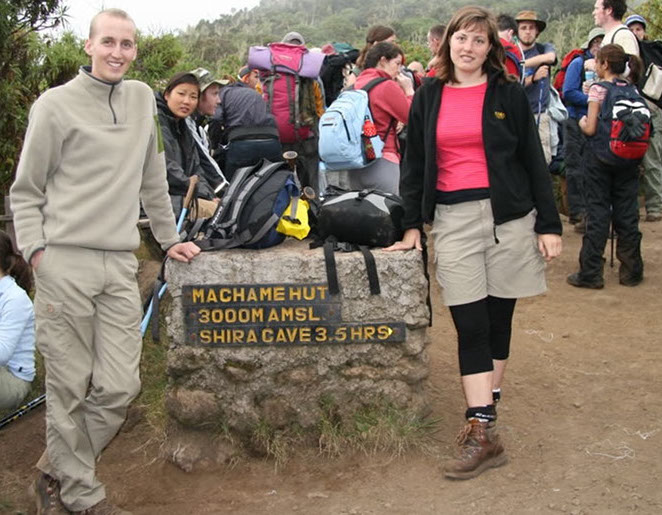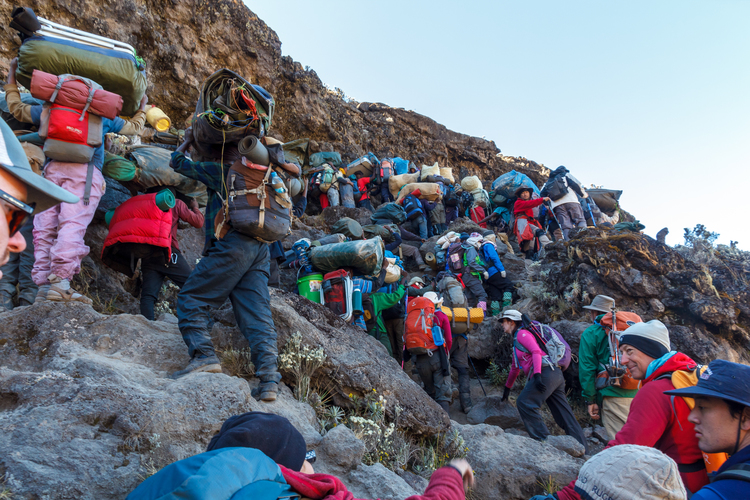

Every year, thousands of people arrive in Tanzania ready to conquer Mount Kilimanjaro, convinced the summit is almost guaranteed. After all, it’s a non-technical trek; no ropes, no climbing experience, no mountaineering skills required. Yet, despite this perception, a surprising number of climbers never reach the summit, Uhuru Peak.
Across our complete Mount Kilimanjaro climbing resources, one fact remains consistent; Mt. Kilimanjaro is not a technical challenge, but it is a demanding high-altitude mountain that punishes poor planning. Success depends less on strength and more on acclimatization strategy, route selection, itinerary length, and how well climbers respect the effects of altitude.
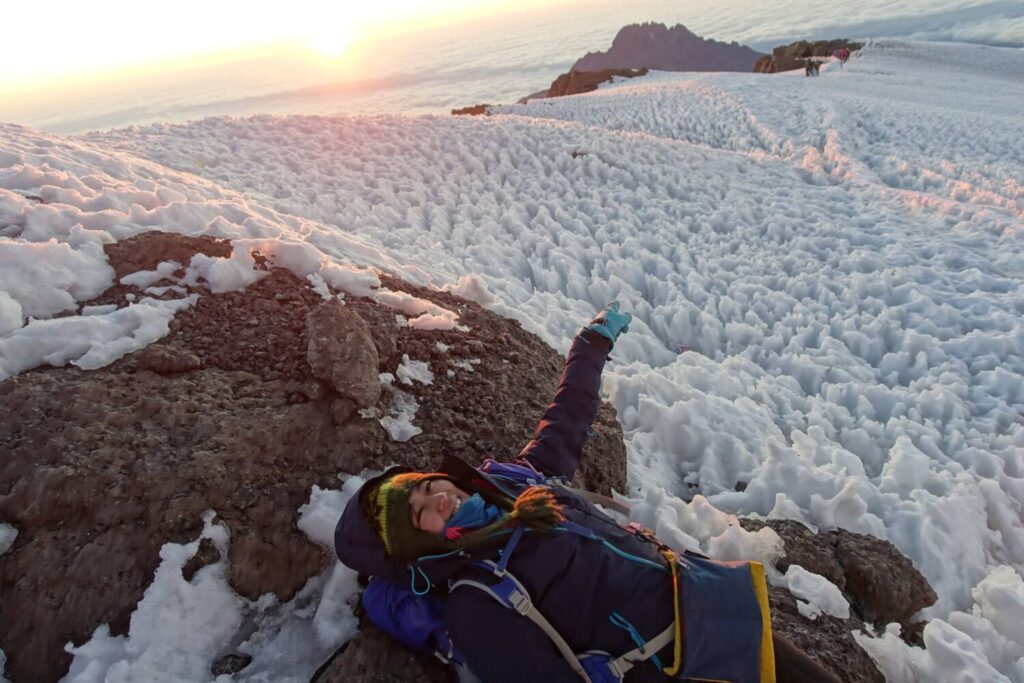
These issues are repeatedly addressed in our in-depth Kilimanjaro climbing guides, written to help climbers make informed decisions before arriving in Tanzania.
Understanding why climbers fail on Kilimanjaro is the first and most important step toward doing it right, especially if you’re planning a Kilimanjaro climb in 2026 or 2027 and want to maximize your chances of standing on Africa’s highest point.
Myth vs Reality: Kilimanjaro Looks Easy, Until It Isn’t
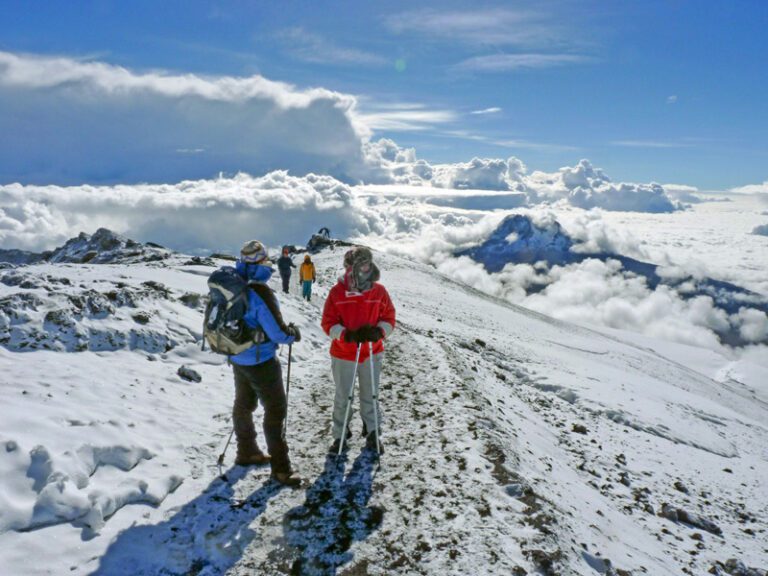
Mt. Kilimanjaro’s gentle trails and wide paths create a dangerous illusion. Many first-time climbers/trekkers assume it’s just a long hike. In reality, the mountain rises rapidly to nearly 6,000 meters (19,000 feet), pushing the human body far beyond its comfort zone.
This mismatch between expectation and reality explains many common Kilimanjaro climbing failures. People arrive confident, but unprepared for how quickly altitude, fatigue and cold compound. That’s why so many climbers don’t summit Mt. Kilimanjaro despite being physically fit.

Reasons Why Climbers Fail Kilimanjaro
Despite its non-technical routes, many climbers underestimate the physical, mental, and environmental demands of climbing Mt. Kilimanjaro. Understanding the common reasons climbers fail to summit is the first step toward better preparation and a safer, more successful climb.
1. Altitude Sickness (The #1 Cause of Failure)
Altitude sickness is the leading reason climbers fail on Kilimanjaro. It has nothing to do with strength, age, or experience. It’s purely physiological.
As you ascend, oxygen levels drop fast. If your body doesn’t adapt, symptoms like headaches, nausea, dizziness and exhaustion set in. Ignoring these signs or ascending too quickly leads to forced descent.
Many climbers make classic Kilimanjaro acclimatization mistakes, such as choosing short routes or pushing the pace too quickly. Learning how to avoid altitude sickness on Kilimanjaro is essential.
💡 Learn more about symptoms and prevention in our detailed altitude sickness guide
2. Wrong Timing and Season Choice
Weather is a silent factor behind many Kilimanjaro climbing challenges. Heavy rain, poor visibility, strong winds, and extreme cold can drain morale and energy fast.
Climbing during suboptimal months increases discomfort and risk, even if the route is well planned. Choosing the best time to climb Kilimanjaro significantly improves summit success and overall experience.
💡 Plan smarter with our Kilimanjaro seasonal hiking guide breakdown
3. Choosing the Wrong Route
Mt. Kilimanjaro has a total of 6 established trails to the summit but not all Kilimanjaro routes are created equal. Some prioritize speed over safety, offering poor acclimatization profiles and lower success rates.
Short routes may look cheaper or more convenient, but they are among the biggest Kilimanjaro failure reasons. Routes with gradual elevation gain consistently outperform rushed itineraries.
One of the strongest options for acclimatization and success is the 8 Days Lemosho Route, which allows the body time to adapt naturally.
💡Explore more about the Lemosho trail
4. Lack of Proper Preparation
Many climbers arrive undertrained, underpacked, or both. Kilimanjaro doesn’t require technical skills, but it does demand endurance, consistency, and smart preparation.
Poor fitness, inadequate layering, and cheap or untested gear all increase the chance of failure. This is especially true for independent or solo travelers. Those considering climbing without companions should review this Kilimanjaro solo travel guide to understand the additional planning, safety, and logistical challenges involved. If you’re serious about how to avoid failing Mount Kilimanjaro, preparation should start months in advance, especially for those targeting climbing Kilimanjaro in 2026 and 2027.
5. Underestimating Weather & Mountain Conditions
Temperatures on Kilimanjaro can swing dramatically in a single day, from hot equatorial sun to sub-zero summit conditions at night. Wind, rain, and sudden cold exhaust the body faster than most expect.
Climbers who don’t plan for these shifts often struggle mentally and physically, even if they’re well acclimatized.
6. Mental and Physical Fatigue
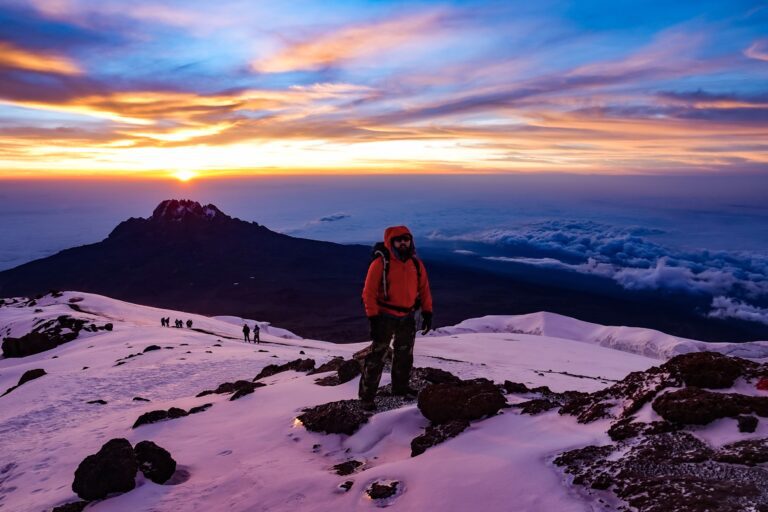
Summit night is long, cold, and relentless. The slow pace, darkness, and thin air test motivation as much as muscles.
Many climbers turn back not because they can’t continue, but because they didn’t prepare for the mental grind. Staying focused, pacing correctly, and trusting your guides play a huge role in summit success.
7. Ignoring Insurance & Emergency Planning
This is often overlooked until it’s too late. High-altitude evacuations are expensive and logistically complex. Without proper coverage, climbers face serious risk.
Having the right Kilimanjaro travel insurance isn’t optional, it’s part of responsible planning and helps avoid unnecessary climbing risks.
How to Maximize Your Chances of Success on Kilimanjaro
Mount Kilimanjaro Climbers who summit successfully tend to make the same smart choices. They select routes that favor acclimatization, train consistently, recognize altitude symptoms early, and climb during optimal seasons.
Most importantly, they work with experienced, ethical operators and realistic itineraries. These decisions dramatically increase success on Kilimanjaro Climbing
Kilimanjaro Climbing 2026: Why Early Planning Matters
If you’re aiming for Kilimanjaro climbing in 2026, early preparation gives you a massive advantage. Fitness training, route availability, gear updates, and travel logistics all improve when planned ahead.
Climbers who treat Kilimanjaro as a serious expedition and not a casual trek, are far more likely to succeed.
👉 Start planning your Kilimanjaro 2026 climb with African Delight Safari
Word of Advise
Kilimanjaro is not unbeatable, but it is unforgiving of shortcuts. Most climbers fail on Kilimanjaro because they rush, underestimate altitude, or make poor planning choices.
When you understand why climbers fail and actively avoid those mistakes, the tallest mountain in Africa becomes achievable. With the right route, timing, preparation, and support team, standing on Uhuru Peak in 2026 is absolutely within reach.
Frequently Asked Questions
– Why do climbers fail on Kilimanjaro?
Most climbers fail due to altitude sickness, poor acclimatization, choosing short routes, climbing in unfavorable seasons, and underestimating the physical and mental demands of the mountain.
– How can I avoid altitude sickness on Kilimanjaro?
The best way to reduce altitude sickness is to choose longer routes with gradual ascent, walk slowly, stay hydrated, eat properly, and listen to your guides if symptoms appear.
– What is the best route for first-time Kilimanjaro climbers?
Routes with better acclimatization profiles such as Lemosho and Machame offer higher summit success rates for first-time climbers.
– Is Kilimanjaro harder than it looks?
Yes. Although Kilimanjaro is a non-technical climb, the altitude, cold temperatures, and long summit night make it more challenging than many expect.
– Can fit people still fail on Kilimanjaro?
Yes. Physical fitness does not guarantee success. Altitude affects everyone differently, and even very fit climbers can fail without proper acclimatization.
– When is the best time to climb Kilimanjaro for success?
The most successful climbing months are generally during the dry seasons, when weather conditions are more stable and routes are safer.
– Who regulates the climbing routes and safety standards on the mountain??
All trekking activities are governed by the Tanzania National Parks Authority (TANAPA). They are responsible for maintaining the trails, setting the park fees, and enforcing safety regulations such as mandatory mountain guides to protect both the climbers and the environment. Checking their official guidelines is a key part of planning a responsible climb in 2026.