
What Should Kilimanjaro Clients Know Before Climbing?
If you’re wondering what to know before climbing Kilimanjaro, you’re in the right place. Climbing Africa’s highest peak is a dream for many travelers. It is often seen as a once-in-a-lifetime challenge, something you prepare for physically and mentally. But once you are actually on the mountain, most climbers realize there are things no one truly explained beforehand.
After guiding climbers through different routes and seasons, we have noticed a consistent pattern. The biggest struggles are rarely about fitness alone. They come from unexpected realities that people simply did not anticipate.This guide is built from real feedback from our clients. These are the honest lessons from our experiences and the exact things you’d wish you had known earlier.If you are still deciding your route, it is worth exploring our Kilimanjaro climbing tours

Summit Night on Kilimanjaro Is Much Harder Than You Expect
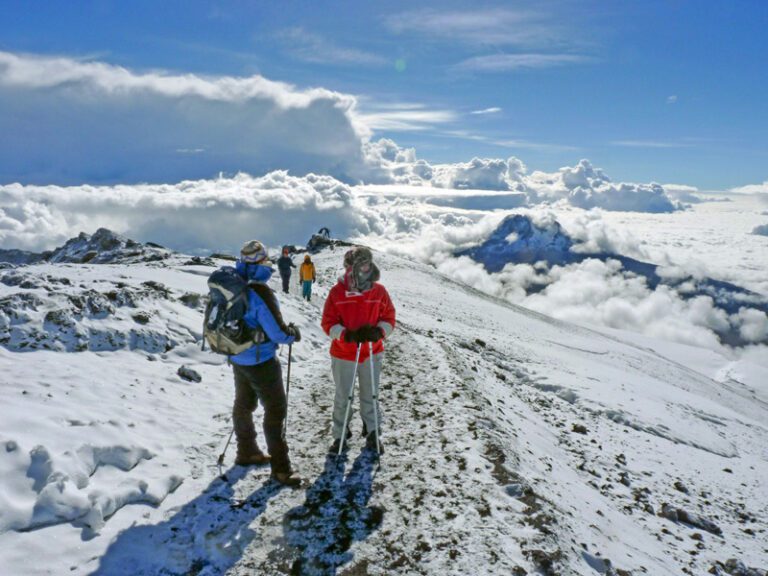
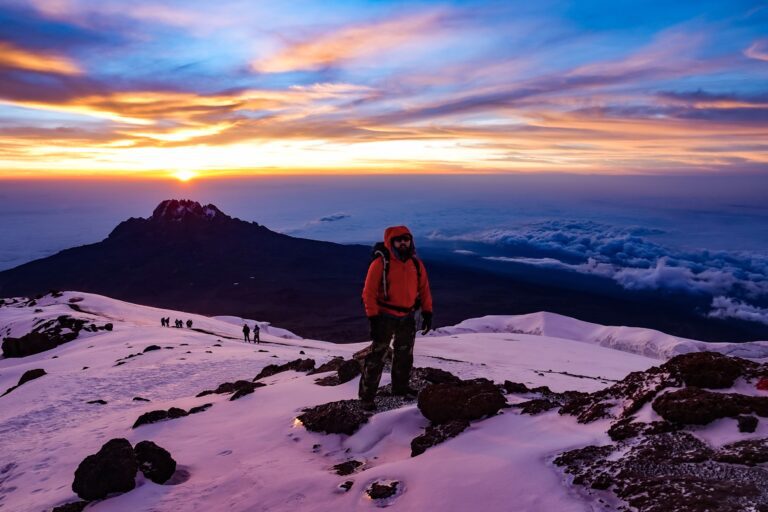
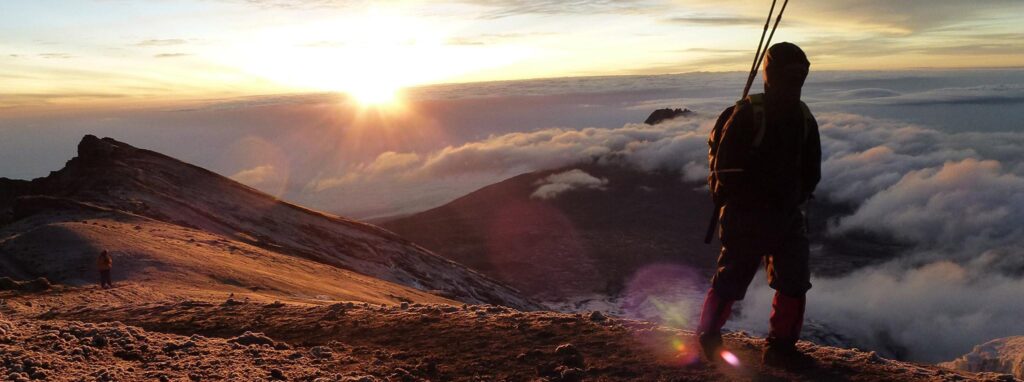
Almost every climber says the same thing after summit night. Nothing fully prepares you for it.You begin the final ascent around midnight. It is dark, extremely cold, and your body is already carrying fatigue from previous days. The climb itself is slow and steady, often taking between six to eight hours before reaching the crater rim.What makes it difficult is not just the physical effort. It is the mental challenge. The silence, the darkness, and the altitude create a unique kind of exhaustion.From our experience, even strong hikers struggle here if they underestimated this phase.Choosing a well-paced route such as the Machame Route or the Lemosho Route, gives your body better time to adjust, making summit night more manageable.
More Days on the Mt. Kilimanjaro Significantly Improve Your Success Rate
One of the most common regrets we hear is choosing a shorter itinerary.Many climbers initially think saving a day or two will not matter much. In reality, it makes a significant difference.Longer itineraries allow your body to acclimatize properly. This reduces fatigue and increases your chances of reaching the summit.From our recent climbs, clients who chose seven or more days had noticeably higher success rates compared to those on shorter routes.If you are serious about reaching the top, consider a 7-day Kilimanjaro climb or an 8-day Kilimanjaro experience
Altitude Sickness Can Affect Anyone
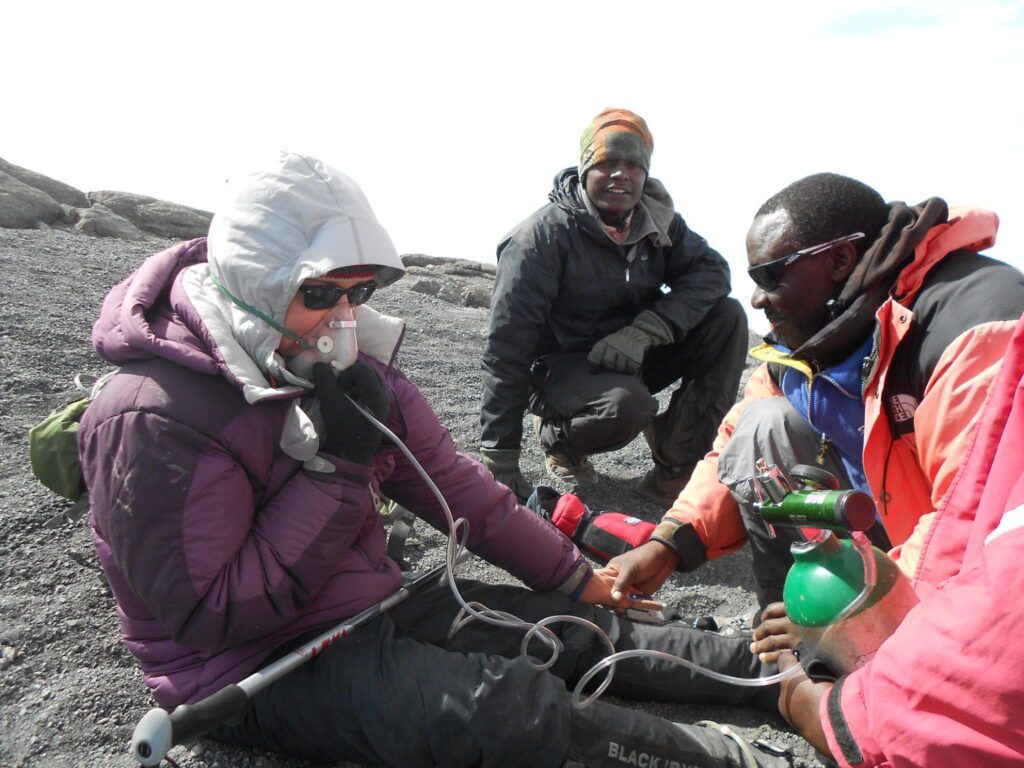
One of the biggest misconceptions is that fitness protects you from altitude sickness.It does not.We have guided very fit individuals who struggled with altitude, and others with less hiking experience who adapted well. The mountain affects everyone differently.Common symptoms include headaches, nausea, fatigue, and loss of appetite. What matters most is how early these signs are recognized and managed.On our climbs, guides monitor clients daily and adjust pace, hydration, and rest when needed.If you want to understand this better, read our full guide on avoiding altitude sickness on Mt. Kilimanjaro
The Crew Behind You Matters More Than You Think
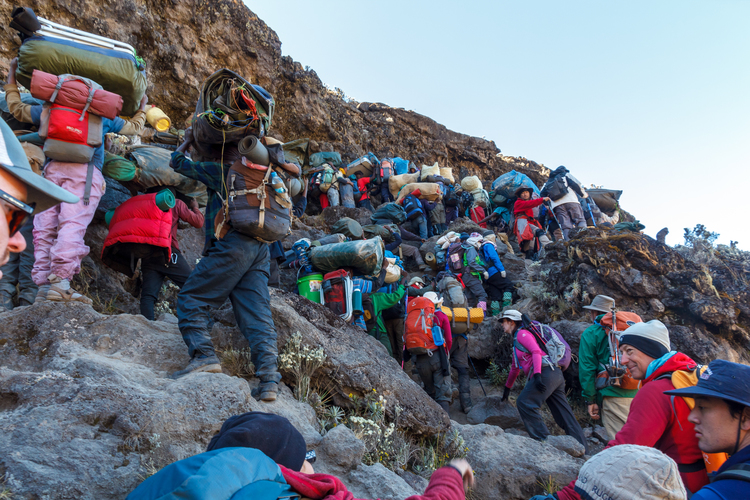
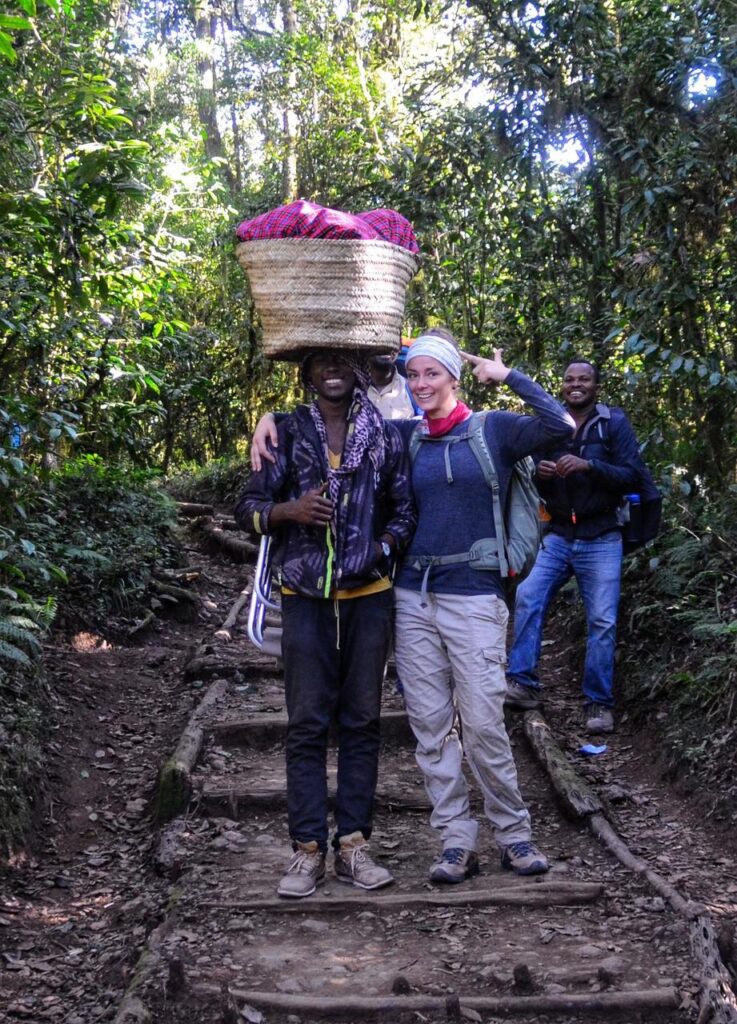
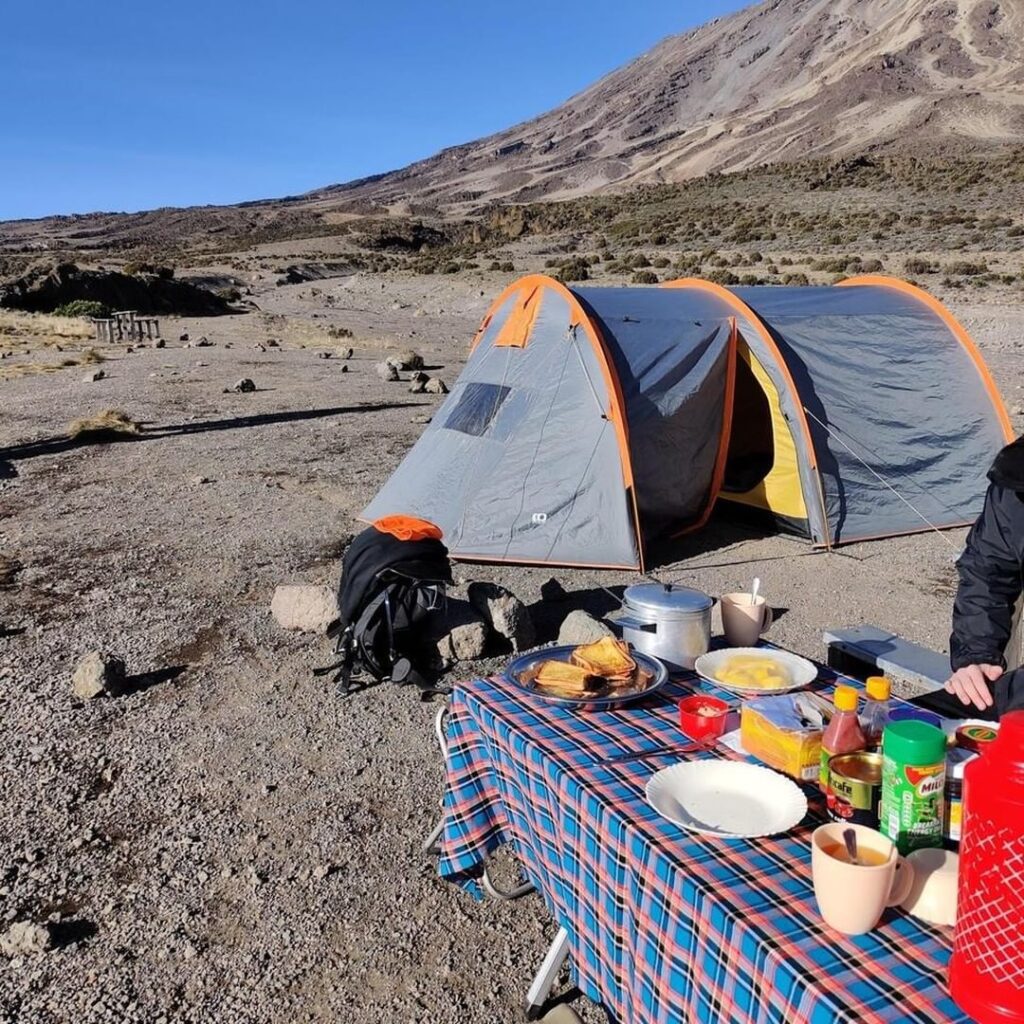
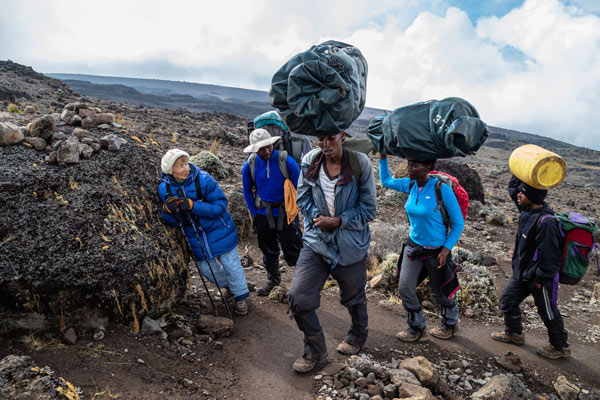
Before the climb, most people focus on reaching the summit. After the climb, they talk about the people who helped them get there.Your Kilimanjaro guides, porters, and cook are essential to your success.Guides monitor your health and pace. Porters carry equipment that makes the journey possible. The cook ensures you stay energized throughout the climb.We have seen how a supportive team can completely change someone’s experience, especially on difficult days.To understand how this works, you can learn more about our Kilimanjaro support crew team
Packing Wrong Can Ruin Your Experience
Packing is one of the most underestimated parts of preparing for Kilimanjaro.Many climbers either bring too much or miss key essentials. The mountain has multiple climate zones, and conditions change quickly.Common mistakes include bringing the wrong footwear, not layering properly, or carrying unnecessary items that add weight.A well-prepared packing strategy makes your climb significantly more comfortable.You can follow our detailed Kilimanjaro packing list
It Is Not Just Physical. It Is Mental
Kilimanjaro is often described as a non-technical climb, but that does not mean it is easy.The challenge builds gradually. Long hiking days, slow progress, and altitude create moments where you question yourself.We have seen climbers succeed simply because they stayed mentally strong and trusted the process. Others struggled because they expected it to feel easier.Understanding that this is a steady journey, not a race, changes your entire mindset.
Weather Changes Faster Than You Expect
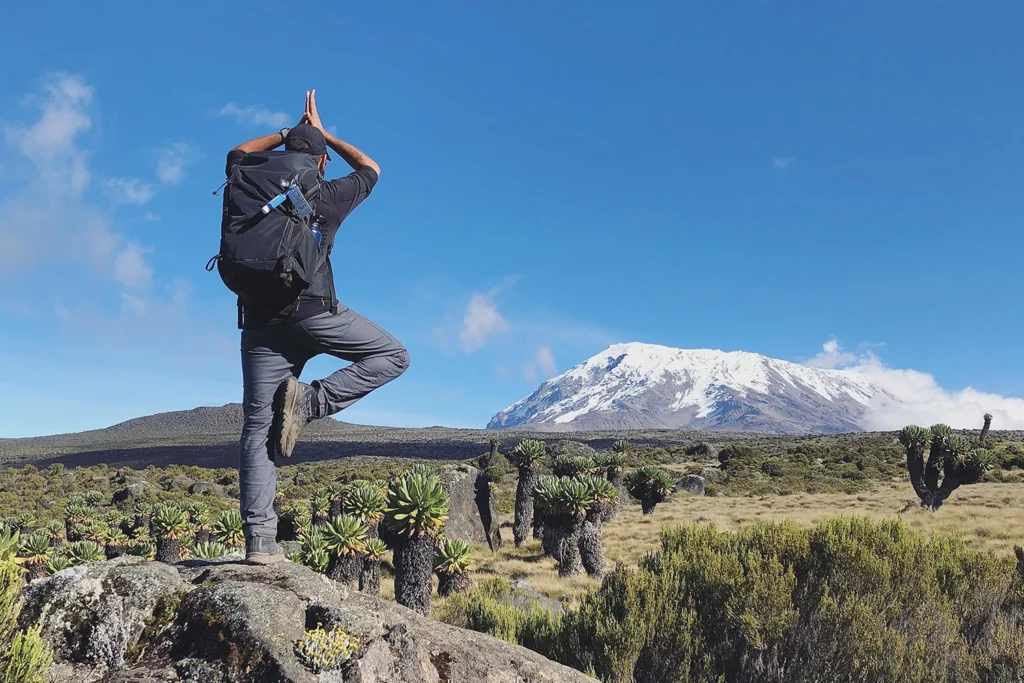
One of the most surprising aspects of Kilimanjaro is how quickly the weather shifts. You may start your day in warm sunshine and end it in freezing temperatures. Wind, clouds, and sudden drops in temperature are common.This is why proper layering is essential.Choosing the right time to climb also plays a role. You can explore the best Kilimanjaro climbing seasons in our guide here.
Choosing the Right Route Changes Everything
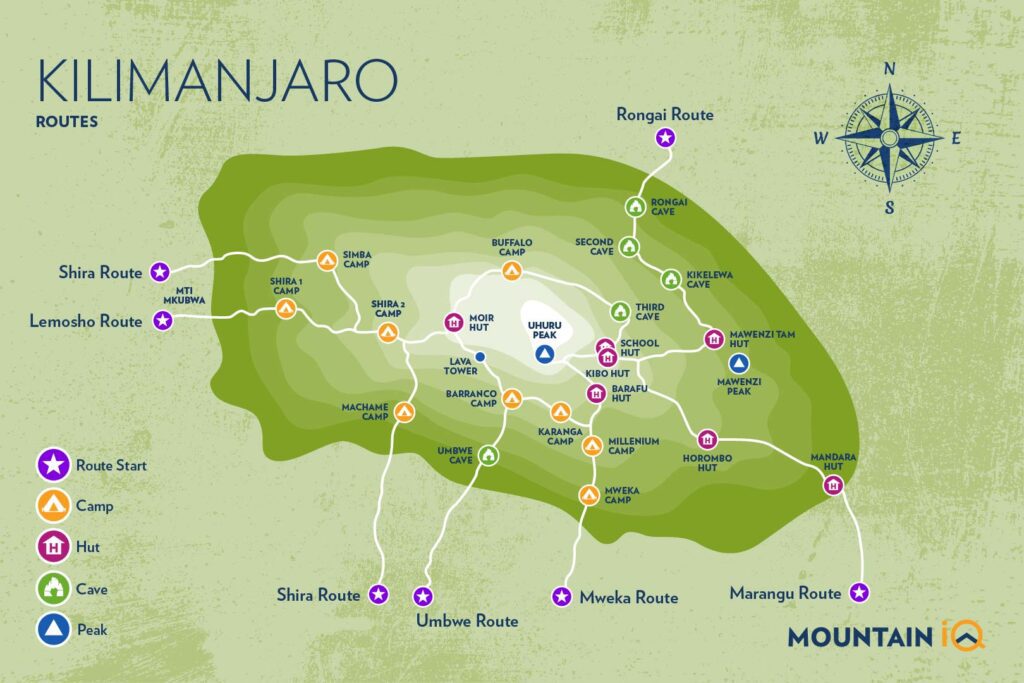
Not all Kilimanjaro routes offer the same experience.Some are shorter and more physically demanding. Others are longer but provide better acclimatization and higher success rates.The right choice depends on your fitness level, travel schedule, and overall goals.If you are unsure where to start, explore our breakdown of the best Kilimanjaro routes
The Right Company Can Make or Break Your Climb
This is something most climbers only fully understand after their experience.A well-organized company ensures safety, proper support, and a smooth journey from start to finish. Poor organization can lead to unnecessary stress and risk.Things to consider include guide experience, safety protocols, and how porters are treated.If you want to understand our approach, you can read more about us
The Summit Is Optional. The Experience Is Not
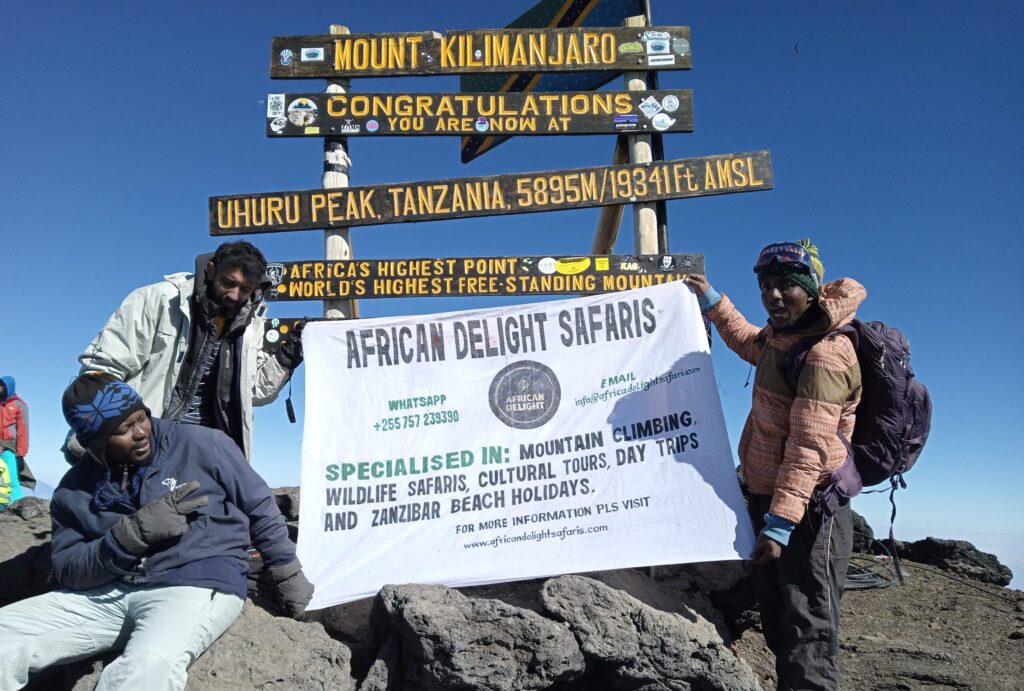
Reaching the summit of Kilimanjaro i.e. Uhuru Peak is an incredible achievement, but it is not the only thing that defines your journey.What most climbers remember are the moments along the way. The early morning hikes, the support from the team, and the realization of how far they have come.We have had clients who did not reach the summit but still described the experience as one of the most meaningful in their lives.Kilimanjaro is not just about standing at the top. It is about everything you go through to get there.