
Set along Tanzania’s quiet northeastern coastline, Tanga is a historic Swahili port city shaped by centuries of trade, cultural exchange, and coastal tradition. Its relaxed rhythm and understated charm make it one of the country’s most authentic urban destinations that is far from the fast pace of larger cities, yet rich in character and history.
Few travelers realize that Tanga was once the first city in East Africa to export sisal commercially, a crop that later shaped the region’s entire economic landscape. The city also played a notable role in early 20th-century African rail development, where the very first railway line in Tanzania, built in the 1890s, started right here in Tanga. Even today, parts of the old German colonial-era urban layout remain intact, giving the city its distinctive wide streets and coastal-European architectural blend.
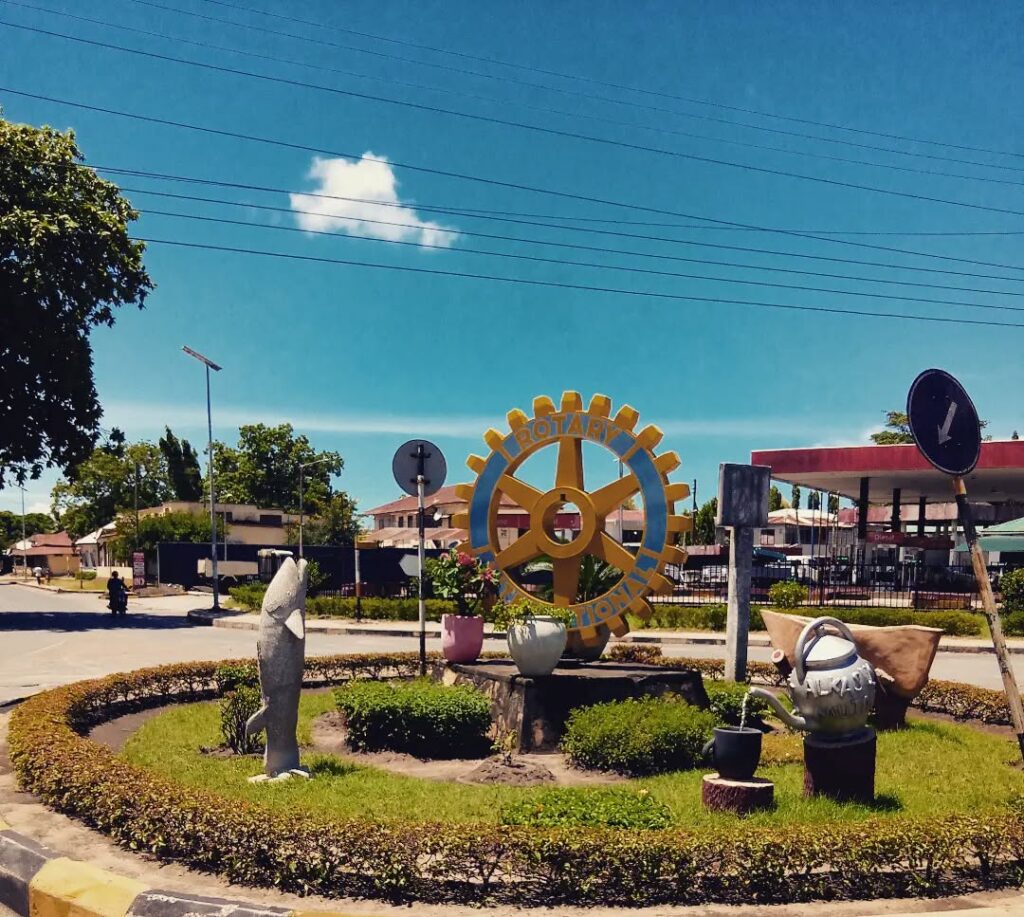
With its Indian Ocean backdrop, strong Swahili identity, and preserved historical footprint, Tanga offers a refreshing, grounded sense of place that is calm, culturally rooted, and quietly captivating.
Before diving into activities, attractions and the best things to do in Tanga, check out our Ultimate Travel Guide to Tanzania for essential travel tips, visa info, and itinerary planning resources to help you make the most of your journey.
How to Get to Tanga City
Reaching Tanga City is straightforward thanks to its coastal location and connections with major Tanzanian cities.
By Air: Tanga Airport provides domestic connections with Dar es Salaam, Arusha, and Zanzibar, making it easy to include Tanga in a broader northern or coastal itinerary.
By Road: Tanga is about 6 hours from Dar es Salaam and roughly 5 hours from Arusha via paved highways. Road travel allows visitors to combine Tanga with safaris in northern Tanzania or beach extensions along the coast.
For help planning your route across the country, consult the Ultimate Travel Guide to Tanzania
Tanga Tanzania Climate
Tanga has a warm tropical coastal climate with average temperatures around 26°C throughout the year. Sea breezes keep the coastline comfortable even during warmer months. Tanga enjoys warm temperatures throughout the year.
Best months are June to October during the dry season, ideal for marine activities and sightseeing. The wet season from March to May brings greener scenery and fewer visitors.
For seasonal planning across the country, see the Best Time to Visit Tanzania guide.
Top Attractions and Best Things to Do in Tanga
From ancient ruins to coral reefs, these top activities reveal why Tanga is one of the most underrated coastal destinations in Tanzania
1. Explore the Amboni Caves
Located about 8 kilometers from Tanga City, the Amboni Caves are the largest limestone cave system in East Africa and among the most fascinating historical attractions in Tanga. Formed over 150 million years ago, the caves contain impressive stalactites, stalagmites, and chambers shaped by centuries of natural erosion.
Local guides share stories about the caves’ spiritual importance and their connection to Swahili traditions. The caves are also home to bat colonies and unique rock formations with cultural names.
Best time to visit: Morning hours for cooler temperatures and guided tours.
Travelers interested in heritage experiences can combine this with cultural insights found in Tanzania cultural tours.
2. Explore Tanga City and Its Historical Landmarks
A city tour reveals Tanga’s blend of Swahili, Arab, German, and British influences that shaped its identity as a trading port.
Key places to explore include:
- Urithi Tanga Museum showcasing regional history
- German colonial administrative buildings
- Historic harbor area and old port structures
- Traditional markets where coastal spices and seafood dominate
Walking through the old town provides insight into Tanga’s colonial architecture and Swahili heritage.
3. Visit Toten Island Ruins
Just offshore from Tanga lies Toten Island, home to ancient Swahili ruins dating back centuries. The island contains remnants of mosques, tombs, and stone structures that reveal the region’s role in early Indian Ocean trade networks.
Boat trips to the island often include snorkeling in nearby waters, blending history with marine exploration.
This stop is ideal for travelers interested in Swahili history and archaeological sites in Tanzania
4. Snorkel at Maziwe Island Marine Reserve
The Maziwe Island Marine Reserve is a protected coral reef ecosystem off Tanga’s coastline. Known for its clear waters and vibrant reefs, it is one of the best places for snorkeling and diving in northern Tanzania.
Marine life includes tropical fish, sea turtles, and diverse coral species. Conservation efforts help protect this fragile ecosystem.
Travelers who enjoy coastal marine adventures can explore more options through Zanzibar tours and island experiences.
5. Relax on Tanga’s Beaches
Tanga’s beaches are peaceful, uncrowded, and ideal for travelers seeking quiet Indian Ocean beach holidays in Tanzania.
Popular coastal areas include Pangani and Ushongo Beach. Activities include dhow sailing, swimming, snorkeling, and long shoreline walks.
Travelers often combine beach relaxation with wildlife experiences found in Tanzania safari packages
6. Take a Pangani River Boat Cruise
South of Tanga, the Pangani River flows through mangrove forests and coastal plains before meeting the Indian Ocean. Boat cruises along the river reveal birdlife, fishing villages, and scenic tropical landscapes.
This is a relaxing excursion that contrasts well with historical sightseeing. More experiences like this are listed under Tanzania day trips.
7. Explore the Tongoni Ruins
The Tongoni Ruins are among the most important Swahili archaeological sites in East Africa. Dating back to the 15th century, the site contains mosque remains and numerous tombs, offering insight into early Islamic coastal settlements.
It is a key stop for travelers exploring historical places in Tanga Tanzania.
Learn how tourism can support preservation through Responsible Tourism in Tanzania
8. Visit Magoroto Forest Estate in the Usambara Mountains
Located inland near the East Usambara Mountains, Magoroto Forest Estate is known for its cool climate, forest trails, and freshwater lake. Visitors can hike, swim, and explore biodiversity-rich forest landscapes.
It offers a refreshing mountain escape that complements coastal exploration and highlights nature experiences near Tanga
9. Discover Local Life at Tanga Markets
Tanga’s markets showcase daily coastal life with fresh seafood, tropical fruits, spices, and handmade goods. Visiting local markets provides authentic insight into Swahili food culture and trade traditions.
Cultural immersion like this enriches any itinerary focused on local experiences in Tanzania.
Travel Tips for Tanga Visitors
Currency Tanzanian Shilling: Cash is widely used in Tanga for markets, taxis, and small restaurants. ATMs are available but can run low, so carry small notes for daily expenses. Larger hotels may accept cards, smaller businesses often do not.
Language Swahili and English widely spoken: Swahili is used in everyday life, while English is common in hotels, tours, and with guides. Basic Swahili greetings are appreciated.
Health Mosquito protection and sun care: Coastal humidity means mosquitoes are more active in the evenings. Pack insect repellent and light long sleeved clothing. Strong sun requires sunscreen, sunglasses, and a hat, especially for beach and boat trips. Drink bottled or filtered water.
Transport Getting around: Use hotel transfers, registered taxis, or pre arranged drivers. Arrange trips to caves, beaches, or Pangani through your lodge or tour provider. Book island and snorkeling trips with licensed operators.
Safety Standard travel awareness: Tanga is calm and welcoming. Keep valuables secure, avoid displaying large amounts of cash, and use taxis at night. Dress modestly in local neighborhoods and near religious areas.
Plan Your Tanga Coastal Adventure
Tanga combines history, culture, beaches, and marine life into one rewarding coastal destination. From ancient caves to coral reefs and Swahili ruins, it remains one of Tanzania’s most diverse travel regions.
Talk to our team to design a custom Tanga and northern Tanzania itinerary.