
Choosing between a fly-in safari and a drive-in safari is one of the most important decisions when planning a Tanzania safari. Both options offer incredible wildlife experiences, professional guides, and access to world-famous national parks, but the way you travel affects comfort, time, and overall value.
If you are considering a Tanzania fly-in safari, this article explains the real differences between flying and driving so you can choose the safari style that fits your trip length, budget, and travel expectations.
You can explore available options in our Tanzania Fly-In Safaris hub
What Is a Fly-in Safari?
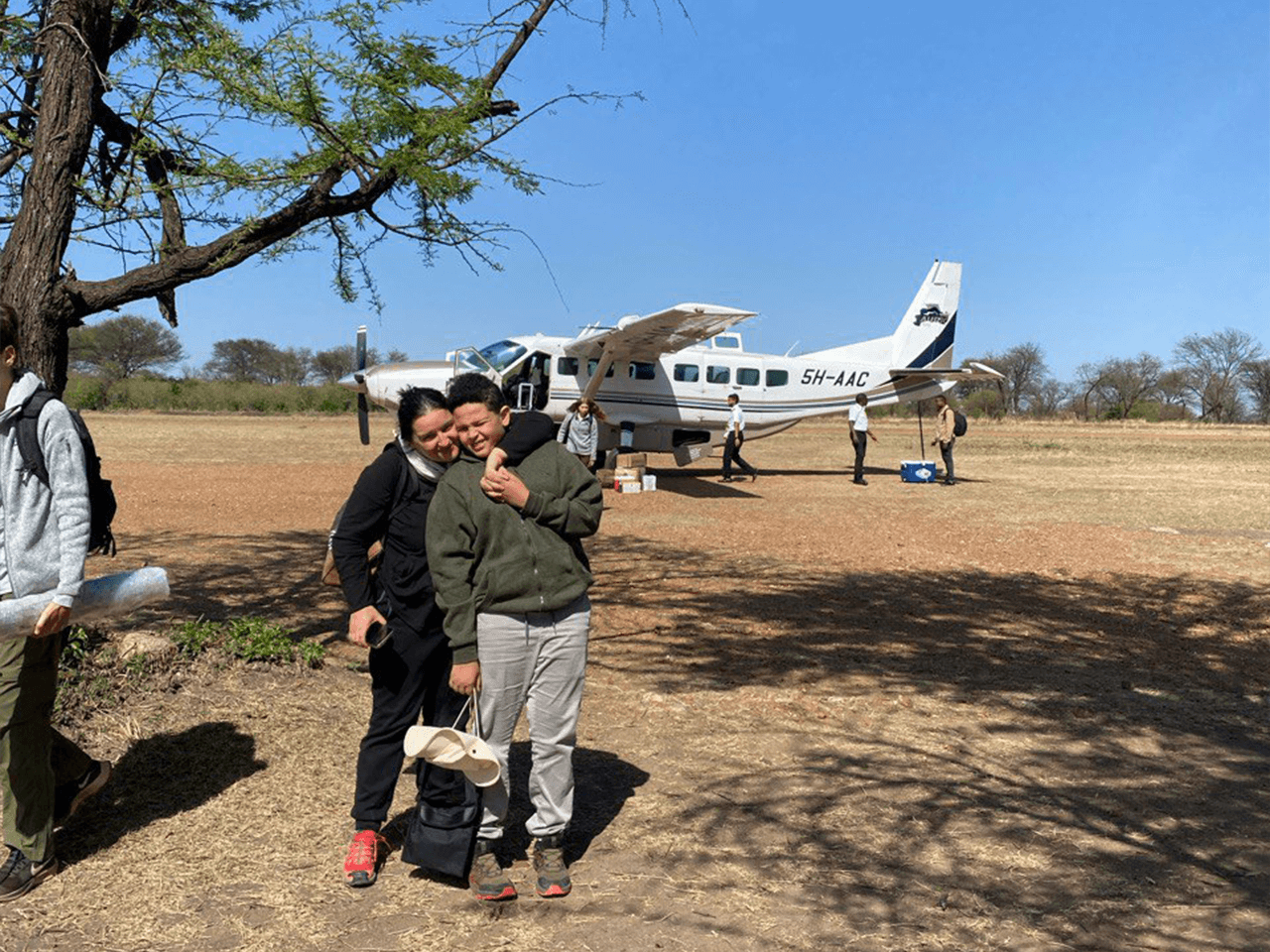
A fly-in safari involves traveling between destinations by light aircraft rather than by road. These flights operate from major hubs such as Arusha or Zanzibar and land on bush airstrips located inside or close to national parks.
After landing, you continue your safari in a 4×4 vehicle with a professional safari guide. Tanzania Fly-in safaris are common in Serengeti National Park and are popular for short safaris, luxury travel, and safaris from Zanzibar.
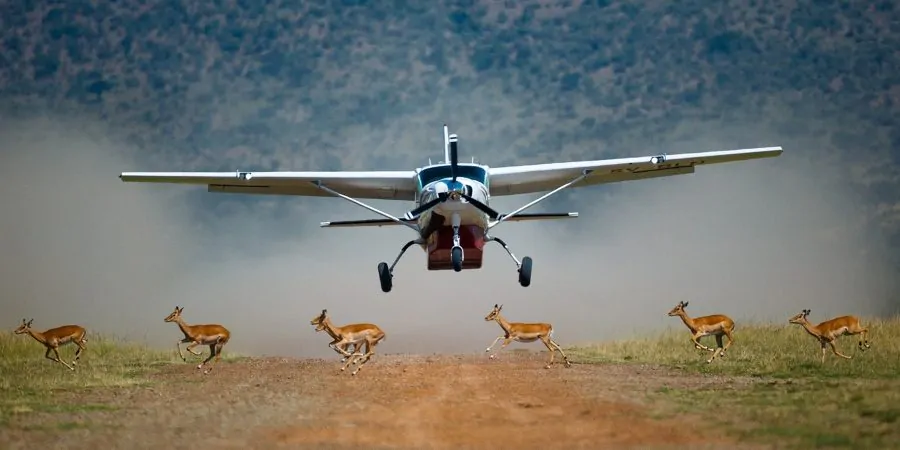
This safari style is designed for travelers who want to reduce travel time and maximize wildlife viewing.
Pros of a Fly-in Safari
Time efficiency
Flying allows you to avoid long road journeys that can take many hours. This means more time spent on game drives rather than traveling between parks.
Comfortable travel
Fly-in safaris reduce physical fatigue, especially for travelers who prefer smooth and quick transfers instead of bumpy roads.
Direct access to remote parks
Some areas of Tanzania, including parts of the Serengeti, are easier to reach by air. Flying allows access to remote regions with fewer vehicles.
Ideal for Zanzibar connections
A fly-in safari from Zanzibar allows you to move directly from the beach to the bush without overnight stops on the mainland.
A good example is a short escape like this 2 Days Fly-In Safari to Mikumi National Park
Cons of a Fly-in Safari
Higher overall cost
Flights increase the price of the safari compared to road travel.
Luggage restrictions
Light aircraft have strict baggage limits, usually around 15 kilograms in soft bags.
Less exposure to local scenery
Flying skips villages, landscapes, and cultural scenes that are visible on long drives.
What Is a Drive-in Safari?
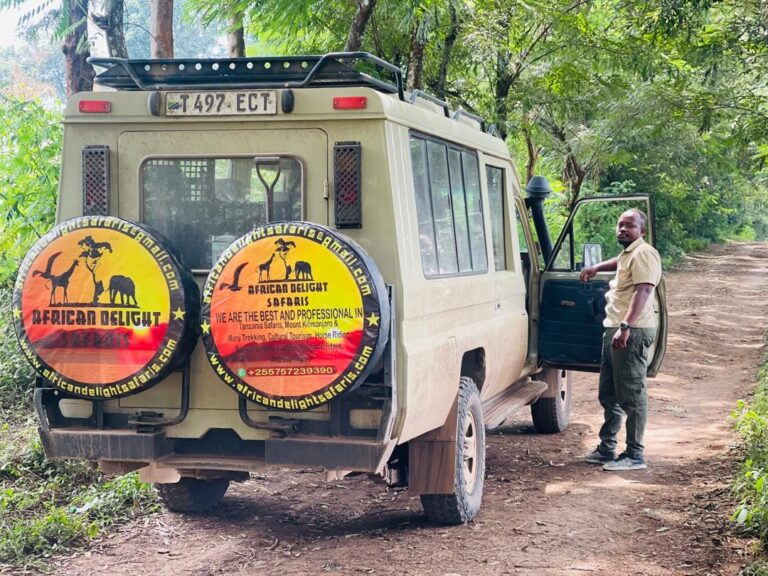
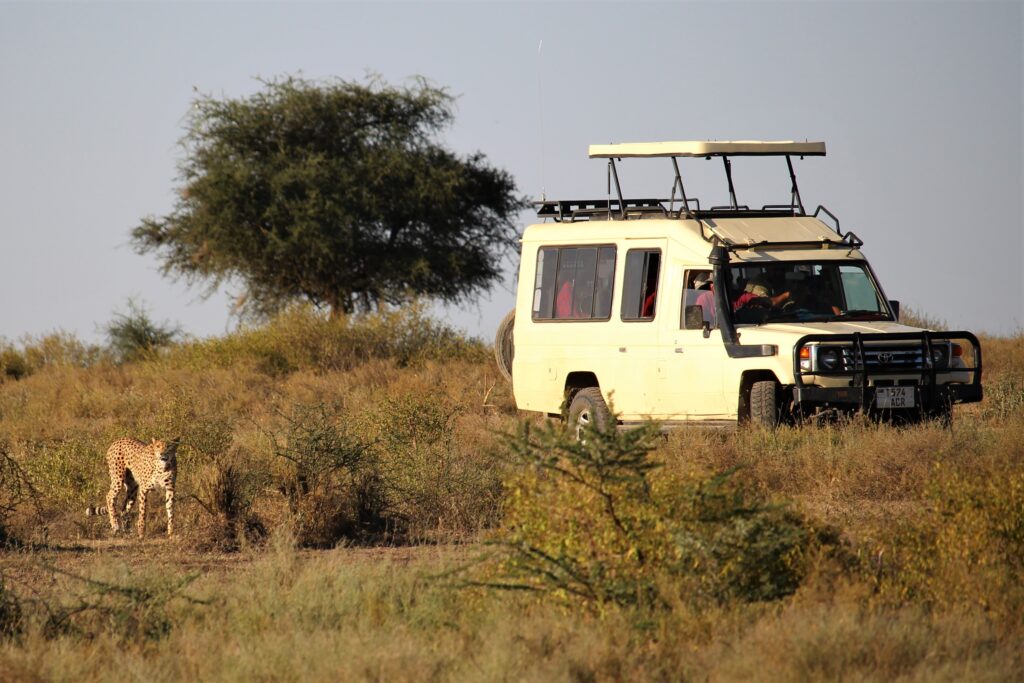
A drive-in safari also known as overland safari uses a customized 4×4 safari vehicle for the entire journey. Travelers move between national parks by road while enjoying changing landscapes, rural life, and scenic routes.
Tanzania Drive-in safaris are popular for longer trips in northern circuit national parks and for travelers who want flexibility and better value.
Pros of a Drive-in Safari
Lower cost
Without flight expenses, drive-in safaris are generally more affordable.
Flexible luggage allowance
Hard suitcases and larger luggage are easier to accommodate.
Scenic travel experience
Driving allows you to see villages, farmland, and natural scenery between parks.
Cons of a Drive-in Safari
Long travel hours
Some park-to-park routes can take six to eight hours or more.
Travel fatigue
Repeated road journeys can be tiring, especially on shorter safaris.
Key Factors to Consider When Choosing Fly or Drive Safari
a) Cost difference
Fly-in safaris in Tanzania cost more but save time. Drive-in safaris provide better value for travelers with more days available.
b) Safari duration
If you have two to four days, a fly-in safari is often the best choice. For five days or more, a drive safari or a mixed itinerary works well.
c) Luggage limits
Fly-in safaris require soft bags and light packing. Drive-in safaris allow more flexibility. For travelers short on time, this 3 Day Serengeti Fly-In Safari shows how flying maximizes Wildlife viewing
Combining Fly-in and Drive Safari
Many travelers choose a combination of both safari styles. You may fly into the Serengeti to save time, then continue by road through Ngorongoro and Tarangire. This approach balances comfort, cost, and variety and works well for luxury safaris, honeymoons, and extended Tanzania itineraries.
Fly-in Fly-out Safari
A fly-in fly-out safari in Tanzania means you fly into the national park and fly out at the end of your safari. This option minimizes road travel completely and is ideal for short trips, high-end lodges, and travelers starting from Zanzibar. It allows you to spend almost all your time inside the park.
Fly-in Drive-out Safari
With a fly-in drive-out safari in Tanzania means you fly into a remote park such as the Serengeti and then exit by road. This option is useful when you want to save time at the start of the trip but still experience landscapes, villages, and multiple parks on the way out.
Drive-in Fly-out Safari
A drive-in fly-out Tanzania safari starts with road travel into the parks and ends with a flight back to your departure point. This option works well when travelers want a gradual safari experience but prefer a quick and comfortable return at the end of the trip.
Each combination offers flexibility and can be tailored based on time available, budget, and travel style.
Frequently Asked Questions About Fly-in and Drive Safaris
– Is a fly-in safari worth the extra cost?
Yes, especially if your time is limited. Fly-in safaris allow more hours for wildlife viewing and less time on the road.
– Are fly-in safaris safe?
Yes. Safari flights in Tanzania operate daily on established routes using well-maintained aircraft and licensed by relevant government authorities
– Can I do a fly-in safari from Zanzibar?
Yes. Safaris from Zanzibar are one of the main reasons travelers choose fly-in options.
– Which safari option is better for families?
Drive-in safaris are better for families due to flexible luggage limits. Fly-in safaris suit older children on shorter trips and old aged adults on medium to long trips.
– Do fly-in safaris reduce game viewing time?
No they do not. Game drives are conducted in 4×4 vehicles after landing, just like drive-in safaris.
– Can I combine fly-in and drive safari in one itinerary?
Yes. Many Tanzania safari itineraries use both options to balance time and budget. Travellers can either fly-in/drive-out or drive-in/fly-out.