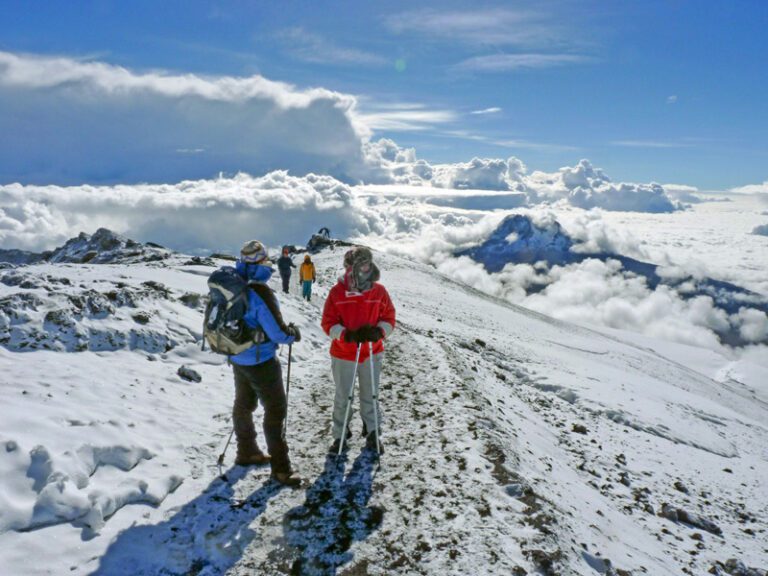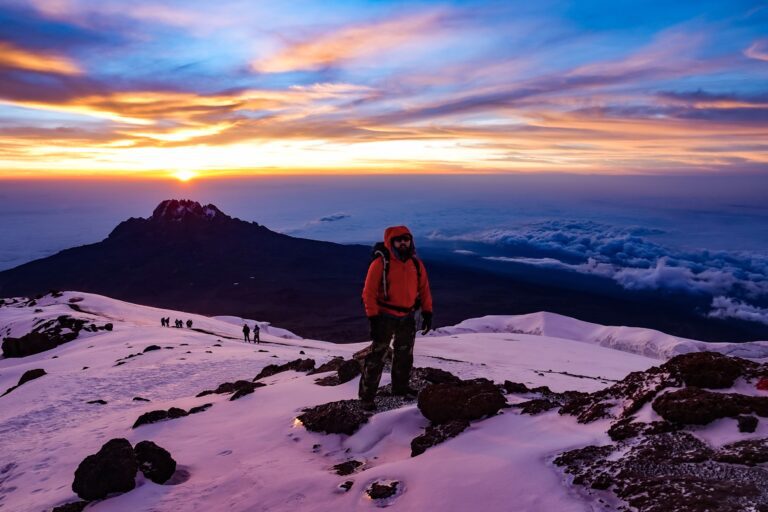
Mount Kilimanjaro may be Africa’s most famous mountain, but it is far from the only summit offering breathtaking views and unforgettable trekking experiences. Across the continent, dramatic volcanic cones, jagged mountain ranges, and high-altitude plateaus create climbing adventures that rival any in the world. For trekkers who have already conquered Kilimanjaro or those looking for a different kind of challenge Africa offers several lesser-known but equally spectacular peaks.
If you are still planning your first high-altitude adventure, explore our expert-led Kilimanjaro climbing tours to understand why it remains the continent’s most iconic climb. But if you are ready to look beyond, these mountains deliver epic scenery, diverse terrain, and a deeper sense of exploration.
1. Mount Kenya (Kenya) – Africa’s Most Dramatic Skyline
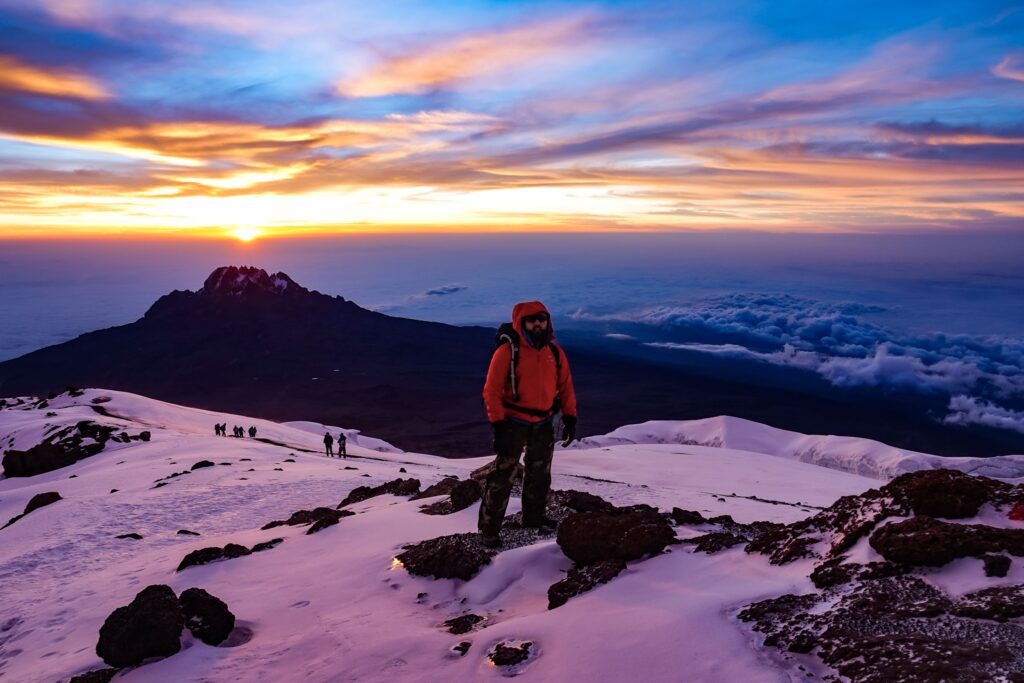
Mount Kenya, Africa’s second-highest mountain, offers some of the most dramatic alpine scenery on the continent. Unlike Kilimanjaro’s volcanic cone, Mount Kenya features jagged peaks, glaciers, and rugged ridgelines that create a landscape more reminiscent of the Alps. Trekkers ascend through bamboo forests, moorlands filled with giant lobelias, and rocky alpine zones before reaching high-altitude camps beneath towering granite spires.
While the technical summits require climbing skills, Point Lenana (4,985 m) is accessible to strong hikers and rewards them with sunrise views stretching across central Kenya. The mountain’s varied ecosystems make it a favorite for photographers and experienced trekkers seeking a wilder alternative to Kilimanjaro.
High altitude is still a factor here, so understanding altitude sickness prevention is essential before attempting the climb.
2. Mount Meru (Tanzania) – Kilimanjaro’s Wild Neighbor
Often overshadowed by Kilimanjaro, Mount Meru is one of Africa’s most underrated trekking peaks. Located inside Arusha National Park, this dormant volcano offers rich wildlife encounters during the lower sections of the climb, where trekkers may spot giraffes, buffalo, and colobus monkeys along the trail. The ascent follows a dramatic crater rim, with sweeping views into the ash cone below and Kilimanjaro visible in the distance on clear mornings.
Meru is physically demanding due to its steep final ascent, but it serves as both an excellent standalone trek and a perfect acclimatization climb before Kilimanjaro. Many climbers choose a 3-day Mount Meru hike or extend their adventure with a 4-day Mount Meru trekking tour to improve summit success on higher peaks.
Because of its wildlife setting and fewer crowds, Meru feels more remote and adventurous than many better-known mountains.
3. Ras Dashen (Ethiopia) – Trekking the Roof of Ethiopia
Ras Dashen, the highest point in Ethiopia, rises within the Simien Mountains, a UNESCO-listed landscape of deep valleys, sharp escarpments, and high plateaus. The trekking experience here is less about a single summit push and more about a multi-day journey through remote highlands dotted with traditional villages and endemic wildlife such as the gelada baboon and Walia ibex.
The scenery is vast and dramatic, with sheer cliffs plunging into mist-filled gorges. Trekkers often describe the Simien Mountains as one of Africa’s most visually striking ranges, offering a completely different atmosphere compared to volcanic climbs like Kilimanjaro or Meru.
As with all high-altitude trekking, proper preparation and a solid high-altitude trekking packing list like the one in our Kilimanjaro packing guide is crucial for comfort and safety.
4. Mount Stanley (Uganda/DRC) – Glaciers on the Equator
Mount Stanley, part of the Rwenzori Mountains, is one of Africa’s most unique climbing destinations.
Known as the “Mountains of the Moon,” this range features equatorial glaciers, misty valleys, and otherworldly vegetation including giant groundsels and moss-draped forests. The terrain is wet, wild, and challenging, making it ideal for experienced trekkers looking for a serious expedition.
Unlike the dry trails of Kilimanjaro, the Rwenzoris demand resilience as trekkers navigate muddy paths, wooden boardwalks, and rocky alpine terrain. The reward is standing among some of the last remaining glaciers in Africa, surrounded by a landscape unlike anywhere else on the continent.
Climbers attempting such remote peaks should also consider comprehensive coverage like high-altitude travel insurance for mountain expeditions.
5. Ol Doinyo Lengai (Tanzania) – The Sacred Mountain of the Maasai
Ol Doinyo Lengai is one of Africa’s most unusual volcanoes and holds deep cultural significance for the Maasai people.
Known as the “Mountain of God,” it is the only volcano in the world that erupts natrocarbonatite lava, giving its slopes a surreal, pale appearance. The climb typically begins at midnight, with trekkers ascending steep volcanic ash slopes under starlight to reach the crater at sunrise.
The summit views stretch across the Great Rift Valley toward Lake Natron and, on clear days, even to Mount Meru. The climb is short but extremely steep, making it physically demanding despite the lower altitude compared to Kilimanjaro.
Adventurous travelers often add this experience to a northern Tanzania trip alongside safaris or a Mount Meru and Ol Doinyo Lengai trekking combination
Preparing for High-Altitude Climbs in Africa
No matter which mountain you choose, preparation is the key to a safe and successful climb. Proper acclimatization, hydration, and pacing dramatically improve your experience and reduce the risk of altitude-related illness. Even seasoned hikers benefit from reviewing expert advice on preventing altitude sickness on African mountains before departure.
Packing correctly also makes a major difference in comfort and performance. Layered clothing, reliable waterproof gear, and well-fitted boots are essential, which is why many trekkers use our detailed Kilimanjaro packing list as a benchmark for other high-elevation expeditions.
From Kilimanjaro to the Rest of Africa’s Peaks
Climbing Kilimanjaro often sparks a passion for high-altitude trekking, leading many adventurers to seek new mountains across Africa. Each of these peaks offers a completely different environment, from alpine glaciers to volcanic craters and vast highland plateaus. Together, they showcase the continent’s incredible geological diversity and cultural richness.
Our team has extensive experience guiding climbers on Kilimanjaro, Mount Meru, and other East African peaks. If you are planning your next African mountain adventure, explore our upcoming Kilimanjaro climbs in 2026 or speak with our local experts to design a trekking journey that goes beyond the ordinary.