Kilimanjaro Group Climbing – Pros, Cons & Real World Insights
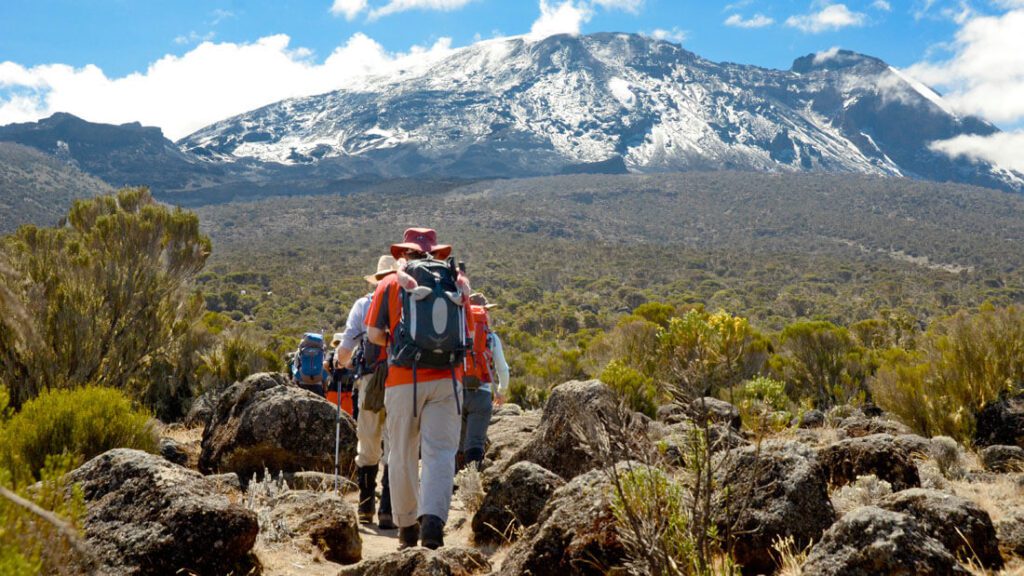
Climbing Mount Kilimanjaro, Africa’s highest peak, is a journey that begins long before you step foot in Tanzania. For many trekkers, the choice between a private hike and a joining group climb is the first and most important decision of the journey. While a private trek offers complete control over pace and structure, Kilimanjaro group climbing introduces something equally powerful: shared momentum and community. It’s no surprise that one of the most common questions we hear from climbers planning their first (even second) ascent is whether a group climb is the right choice.
For solo travelers especially, the question goes beyond “Can I climb Kilimanjaro?” It becomes, “Who will I be climbing with, and how will that influence my experience and chances of success?”
This guide draws on real-world mountain operations, offering honest insights, practical pros and cons, and experienced guidance shaped by years of leading climbs on Kilimanjaro. If you’re weighing your options, this article is designed to help you decide with confidence.
What Is Kilimanjaro Group Climbing?
Kilimanjaro group climbing (also known as group joining climbs) involves individual travelers or small parties joining a scheduled Mt. Kilimanjaro climbing tour with other like‑minded trekkers. Costs such as park fees, mountain crew, guides, rescue support, and logistics are shared, making it one of the most accessible ways to climb Kilimanjaro without compromising safety.
At African Delight Safaris, we intentionally keep our groups small to protect both climber experience and summit success rates. This philosophy mirrors how we design our Tanzania group joining safaris, prioritizing comfort, fairness, and quality over crowd volume.
👉 Click here to learn more about how our Kilimanjaro climbing groups
Kilimanjaro Group Climbing Pros
Kilimanjaro is a non-technical mountain, but it is physically demanding, logistically complex and altitude-driven. Group climbing works particularly well here because of the shared systems required by Kilimanjaro National Park. Here are the advantages of booking group climbing tours
1. Cost Efficiency Without Cutting Corners
One of the biggest advantages of group climbing Kilimanjaro is affordability. By sharing guide fees, park fees, rescue contributions, and crew logistics, climbers significantly reduce costs compared to private climbs without sacrificing safety.
This is especially important when compared to cheap Kilimanjaro group tour packages that quietly cut corners on porter welfare, oxygen systems, or food quality.
2. Stronger Acclimatization Support
Altitude affects everyone differently. In a group environment, guides can closely observe multiple climbers, compare symptoms, and act early. This structured approach dramatically reduces the risks associated with altitude sickness.
If altitude is a concern, we strongly recommend reading our detailed guide on altitude sickness on Kilimanjaro. You may also find it helpful to understand the real difficulty of Kilimanjaro hiking, beyond fitness myths
3. Psychological Strength & Shared Motivation
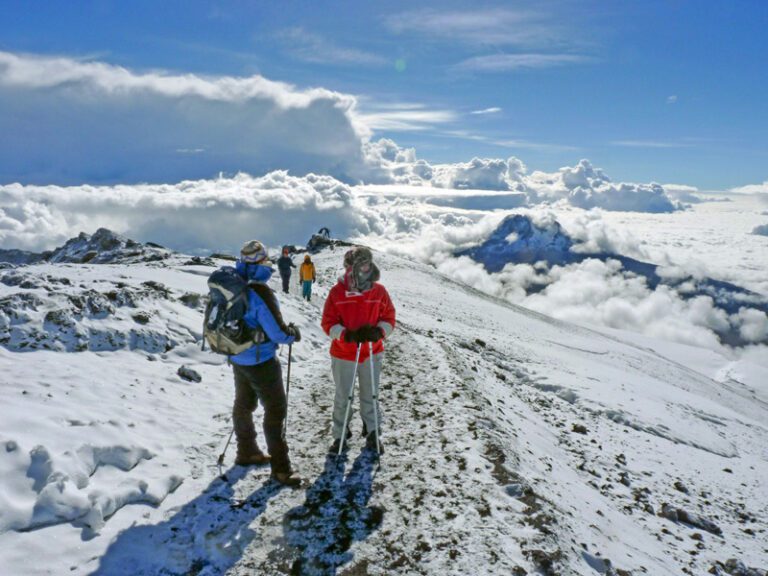
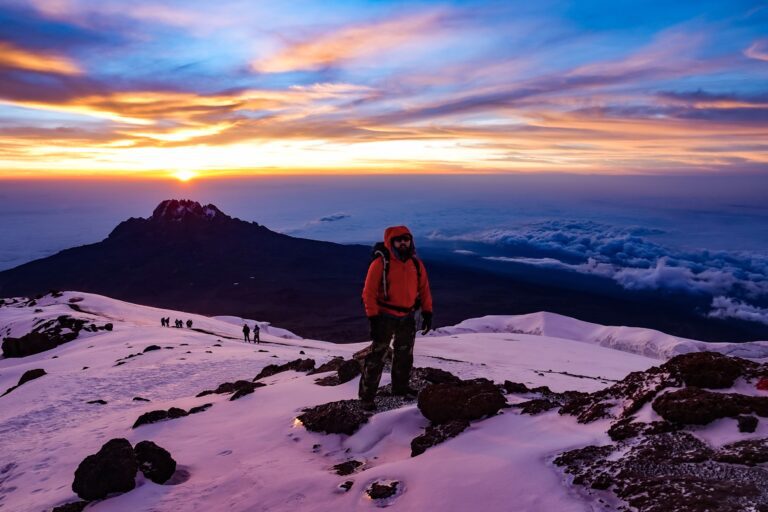
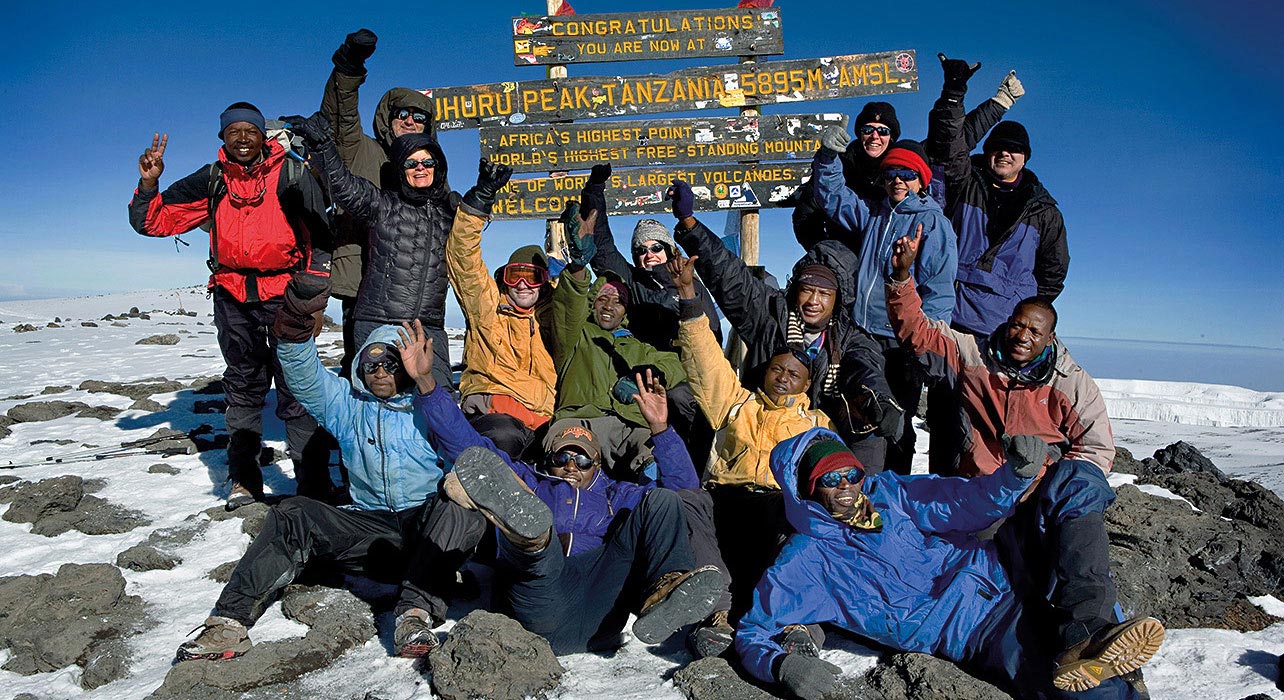
Summit night is long, cold, and mentally challenging. Group climbs offer something private climbs cannot always replicate i.e. shared motivation. When one climber slows, another encourages. When morale drops, the group lifts it.
This social reinforcement is one of the most underrated success factors on summit night. Learn more in our deep dive of what climbers/hikers wish they knew before climbing Kilimanjaro
Kilimanjaro Group Climbing Cons
No experience is perfect, and transparency is key to trust. Being clear about the limitations of group climbs helps travelers choose what genuinely fits their expectations. Here are the honest downsides to joining a group climbing experience on Kilimanjaro.
1. Different Paces & Personalities
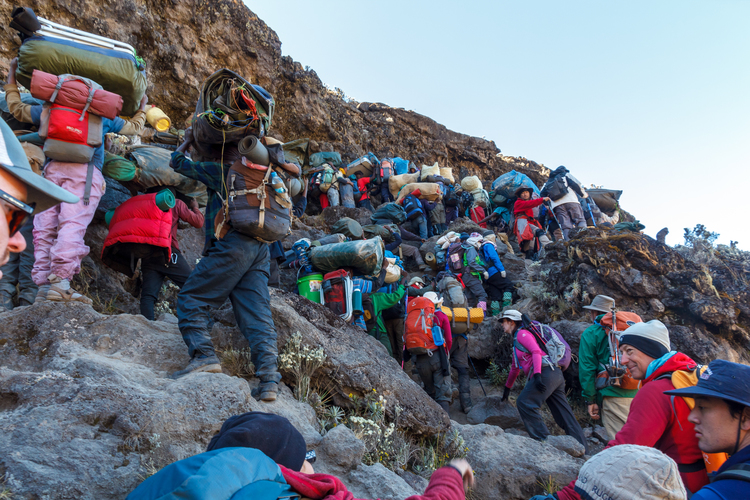
In any hiking group, fitness levels, walking speeds, and altitude responses vary. Guides set a pace that works for overall safety, but this can feel restrictive for very fast trekkers or challenging for those who naturally move slower. Personalities also differ, and while most groups bond well, shared space over several days requires patience and adaptability.
2. Limited Flexibility
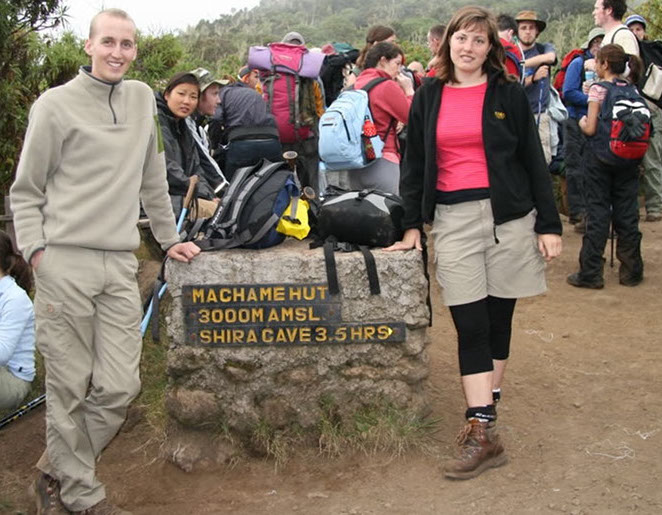
Group climbs operate on fixed schedules and predefined itineraries. Changes such as adding extra acclimatization days, switching routes, or adjusting camps are rarely possible once the climb begins. This is where route choice becomes especially important. Understanding the difference between options like the 6-day vs 7-day Machame Route can directly affect comfort, acclimatization, and summit success.
3. Less Personal Control
Daily routines such as meal times, wake-up calls, and summit night timing are coordinated for the entire group. Guides remain attentive to individual well-being, but the experience cannot be fully tailored to one person’s preferences. Travelers who value complete control over pacing, schedule, and structure may find a private climb more suitable.
Overall, group climbing works best for travelers who value shared experience and cost efficiency, and who are comfortable adapting to a collective rhythm rather than a fully customized approach.
The Social Side of Group Climbing
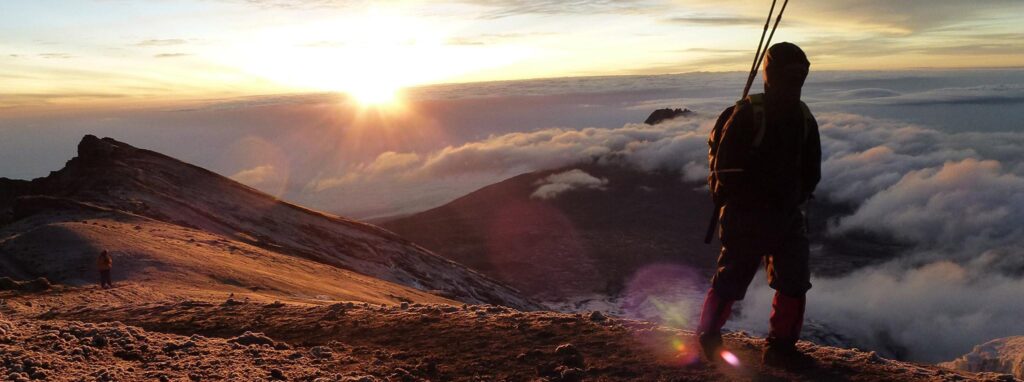
Mt. Kilimanjaro group climbing tours go beyond shared logistics by creating a shared experience built around people, interaction, and collective effort.
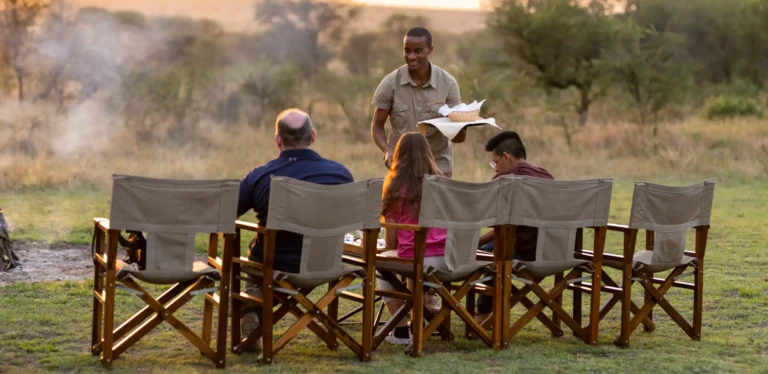
Meeting Like‑Minded Climbers: Many solo travelers choose group climbing specifically for the social aspect. Sharing meals at camp, swapping stories, and celebrating the summit together often leads to lifelong friendships. This makes group Kilimanjaro climbs particularly appealing to solo travelers, which we explore further in our Kilimanjaro solo travel guide
Shared Knowledge & Learning: In a group, climbers exchange tips, from breathing techniques to layering strategies. More experienced hikers often assist first-time climbers, while photographers and outdoor enthusiasts help others capture the journey effectively..
Group Climbing vs Private Climbing: Which Is Better for Kilimanjaro?
Choosing between a group climb and a private trek usually comes down to one question: How do you handle a challenge? Some people want total silence and their own schedule to clear their head. Others need a team around them to swap stories and keep the morale high when the air gets thin. Honestly, there is no universal answer, only what fits your goals.
| Factor | Group Climb | Private Climb |
|---|---|---|
| Cost | Lower | Higher |
| Social Experience | High | Low |
| Flexibility | Moderate | High |
| Support Structure | Strong | Strong |
| Best For | First‑timers, solo travelers | Families, special needs |
For climbers who want structure, safety, and connection, group climbing offers outstanding value.
Safety, Crew & Ethical Standards Matter
A group climb is only as good as the team running it. You can have the best gear in the world, but if your crew isn’t well-trained or well-treated, your chances of reaching the summit drop. On Kilimanjaro, your guides, porters, and cooks aren’t just “staff”, they are your lifeline.
We believe in being 100% transparent about how things work behind the scenes. Before you book any climb, we strongly encourage you to understand these three pillars:
- Who is actually taking you up? Your crew is the heartbeat of the trek. They carry the gear, cook the meals, and monitor your health every single hour. Learn more about the people you’ll be climbing with here: Our Kilimanjaro Crew
- The truth about tipping: Tipping is a standard part of Kilimanjaro culture, but it needs to be done fairly and transparently so that every porter is paid what they deserve. We’ve broken down the “how” and “why” here: Kilimanjaro Tipping Guide
- Coming prepared: A group is only as strong as its members. Showing up with the right gear ensures you aren’t the “weak link” in the team’s safety. Check our list here: Kilimanjaro Packing List
Why Many Climbers Fail And How Group Climbs Help Prevent It
Most travelers who fail to summit the peak of Kilimanjaro don’t fail because they aren’t fit enough. Usually, it comes down to three things: rushing the mountain, poor acclimatization or a support team that doesn’t catch the warning signs early enough. We go into the “why” behind these failures in detail here: Why Climbers Fail on Kilimanjaro.
The good news is that a well-run group climb is actually designed to fix these common mistakes. Here is how a group setup keeps you moving upward:
- Conservative Pacing (Pole Pole): In a group, the pace is set to the “lowest common denominator.” This might feel slow on Day 1, but it’s the secret to having energy on summit day. The group dynamic keeps you from racing yourself into altitude sickness.
- Experienced Lead Guides: Our guides have seen it all. In a group setting, they are experts at managing different energy levels and keeping morale high, ensuring nobody pushes too hard too fast.
- Daily Health Checks: Every morning and evening, we check your oxygen levels and heart rate. Having a group routine makes these safety checks second nature, catching small issues before they become summit-ending problems.
- Team Accountability: On the nights when you’re tired, cold, and thinking about quitting, your teammates are your biggest asset. There is a “we’re all in this together” mentality that provides a huge mental boost when things get tough.
Is Kilimanjaro Group Climbing Right for You?
Kilimanjaro group climbing is a strong fit for travelers who value structure, shared experience, and professional support without the higher cost of a private climb. It is especially well-suited if you
- Want a cost-effective yet safety-focused way to climb Mt. Kilimanjaro
- Are comfortable meeting and trekking with new people
- Prefer clear schedules, fixed itineraries, and organized logistics
- Value experienced local guides who manage pacing, acclimatization, and safety protocols
Group climbs work best when expectations align with the collective nature of the experience. If you require full itinerary control, added acclimatization days on demand, complete privacy, or specific medical accommodations, a private Kilimanjaro climb is usually the better option.
Final Thoughts from the Mountain
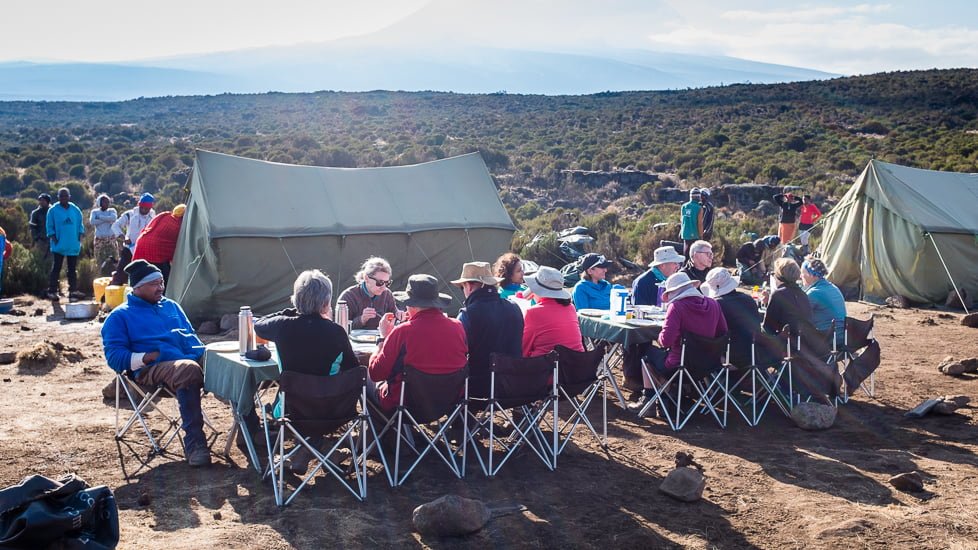
Kilimanjaro is not a mountain to rush, nor one to climb without the right preparation or mindset. When run responsibly, group climbing offers one of the most balanced ways to experience the mountain, combining professional guiding systems, shared resilience, and genuine human connection. For many climbers, this balance directly contributes to confidence, safety, and summit success.
And if questions remain, our experienced team based in Moshi is always available to guide you, from early planning stages through to the moment you step onto the trail.